04 Tonyn’s Plantation
Clay County
Here I was showed some samples of the best Flora Indigo I had yet seen,…


The Route
William Bartram visited Tonyn’s Black Creek plantation midway through his 1774 explorations in East Florida.
The record of his visit is not in Travels but in his Report to Dr. Fothergill, written during his second visit to Florida. In his Report to Dr. John Fothergill, Bartram described a brief river journey from his headquarters at Spalding’s Lower Store to pick up mail left at Tonyn’s plantation. He describes traveling for two days by mail boat to the Plantation. Bartram said he was shown “some samples of the best flora Indigo I had yet seen, there were twenty hands employed on this plantation who made about twelve hundred [weight] of Indigo the last year, & had now planted this year’s crop”.
He only spent one day at the plantation before returning to the Store in present-day Putnam County.
The Site
When William Bartram traveled up the St. Johns River in 1774, he noted the changing environment. When he first visited the region in 1766, the area around Black Creek and Doctor’s Lake had been longleaf pine uplands, hardwood hammocks, and cypress swamps, with Indigenous communities, but little Spanish settlement. By 1774, the British had created a network of plantations tied to indigo cultivation. Patrick Tonyn, governor of British East Florida, created the very model of this industry.
Tonyn’s plantation, so near the mouth of Black Creek, was on a 20,000‑acre grant surveyed in 1767. The location had deep, navigable water, making it easy to ship indigo. Doctor’s Lake provided access to freshwater springs and fertile hammocks, and there were surrounding pine flats that could be cleared quickly for indigo fields. Tonyn’s plantation was part of the overall British vision to turn East Florida into a profitable British colony.
Bartram recorded what he saw in a 1775 letter to Dr. Fothergill, describing a scene filled with economic promise but dependent on slavery for success. He remarked that the Black Creek location grew “some samples of the best flora Indigo I had yet seen.” Importantly, he noted that the plantation was worked by “about twenty Negroes”, providing the only surviving first-hand reference to the number of Tonyn’s slaved workers. Their names were not recorded, but Bartram saw the effects of their labor in the cleared fields, the newly built structures, and the vats used for processing indigo, a crop that demanded relentless, often brutal, skilled work at every stage.
Bartram noted that in 1773, Tonyn’s plantation had produced “upwards of twelve hundred weight of indigo” (half a metric ton), remarkable for a new operation. The work was grueling. Indigo production required clearing land, planting in the heat, cutting the plants at peak season, and stirring vats of fermenting dye for hours as it developed. The process was physically punishing and often toxic, generating dangerous liquids and fumes. Yet the skill of these unnamed laborers made Tonyn’s plantation productive enough to draw Bartram’s attention as he passed.
Bartram’s brief description reveals the interconnectedness of land, labor, and empire along the waterways of Clay County. The indigo fields near Black Creek were not isolated; they were part of a regional system that linked Doctor’s Lake to the Atlantic trade. The dye produced by Tonyn’s enslaved workforce traveled down the St. Johns, across the ocean, and into British textile mills of Britain.
Tonyn’s plantation was burned in 1776 and never rebuilt. Still, people who worked in its fields transformed the frontier into a plantation world, redefining Florida in the eyes of the world.
Visitor Experience
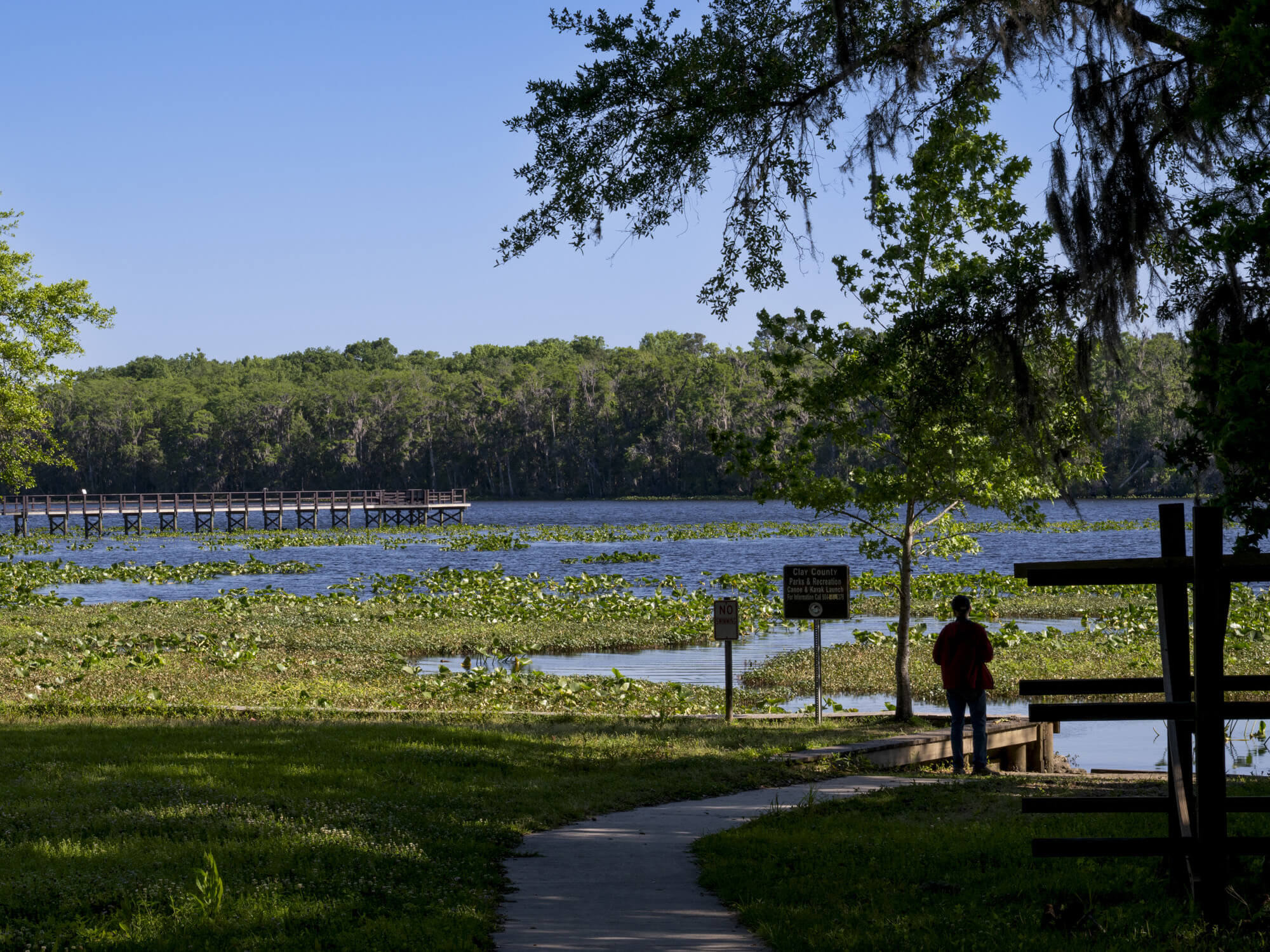
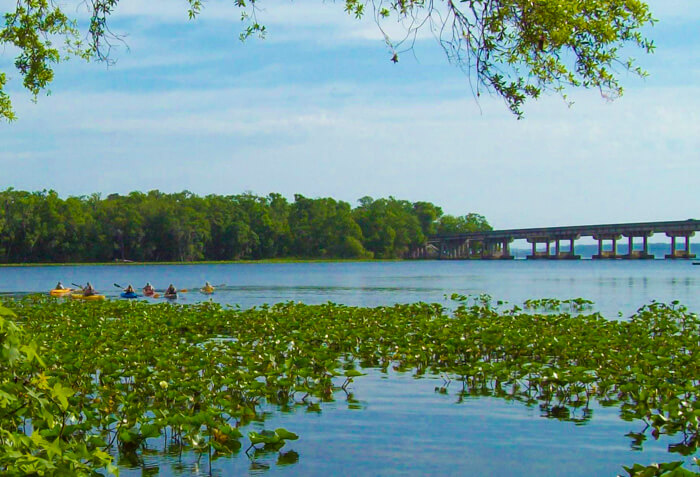
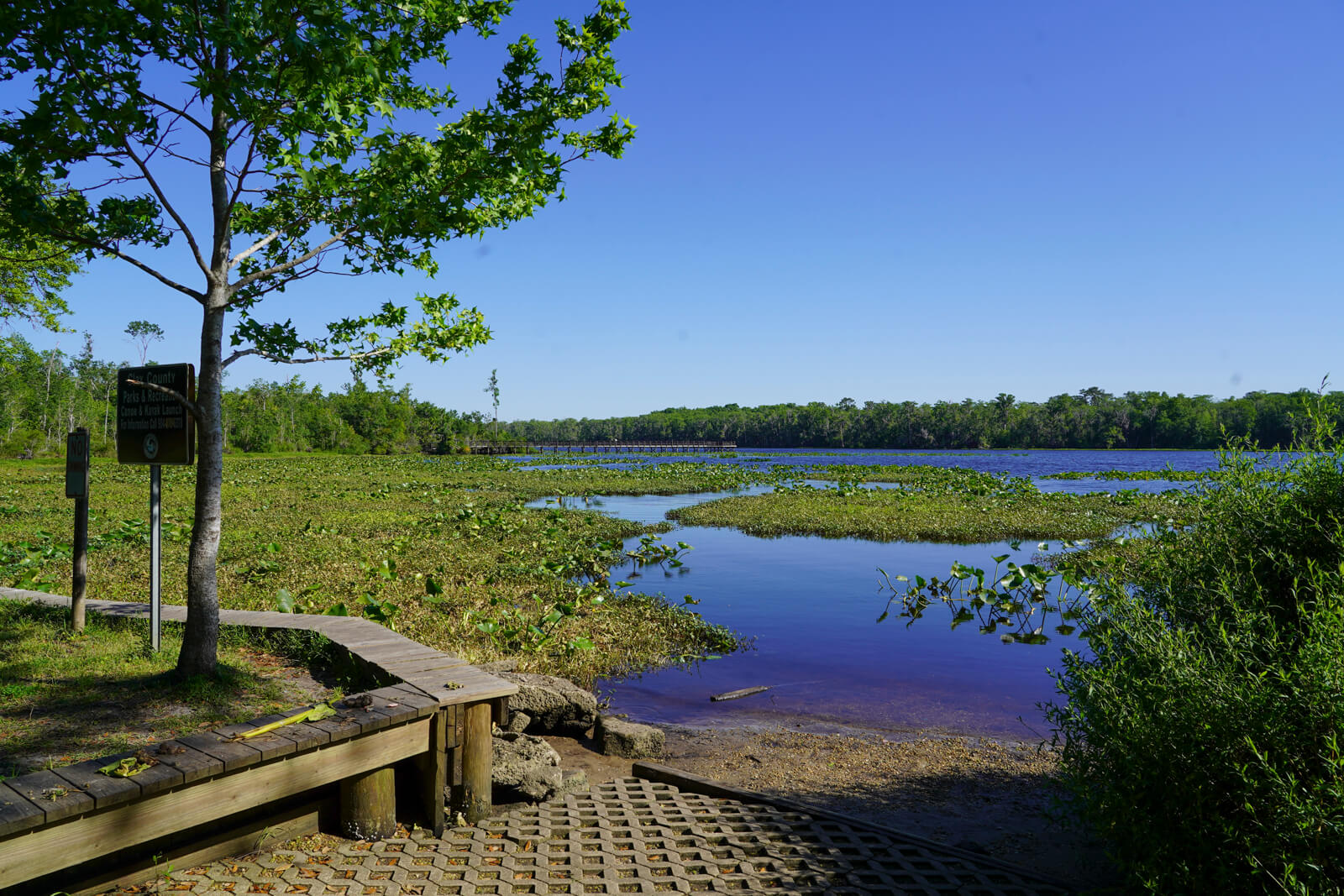
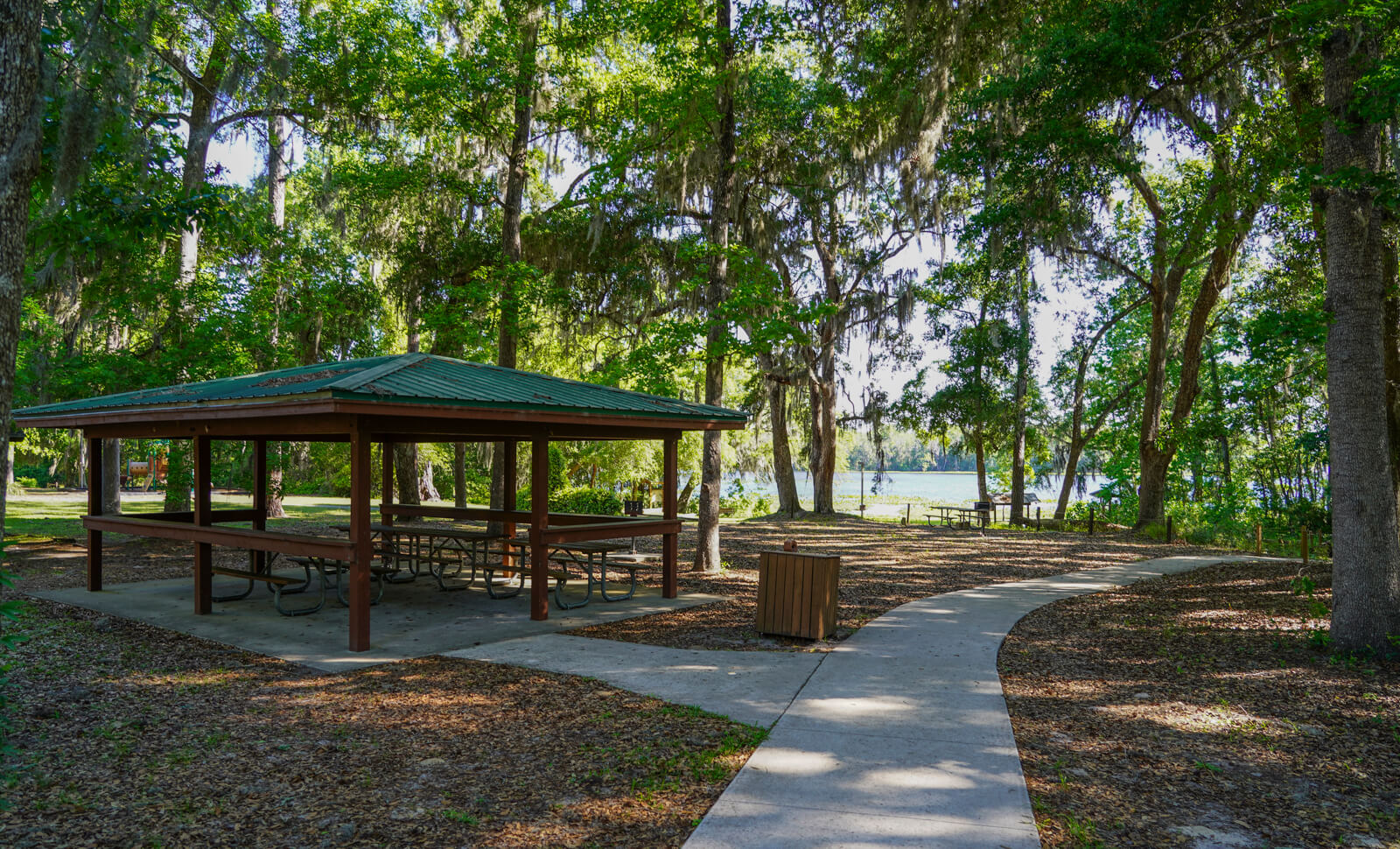
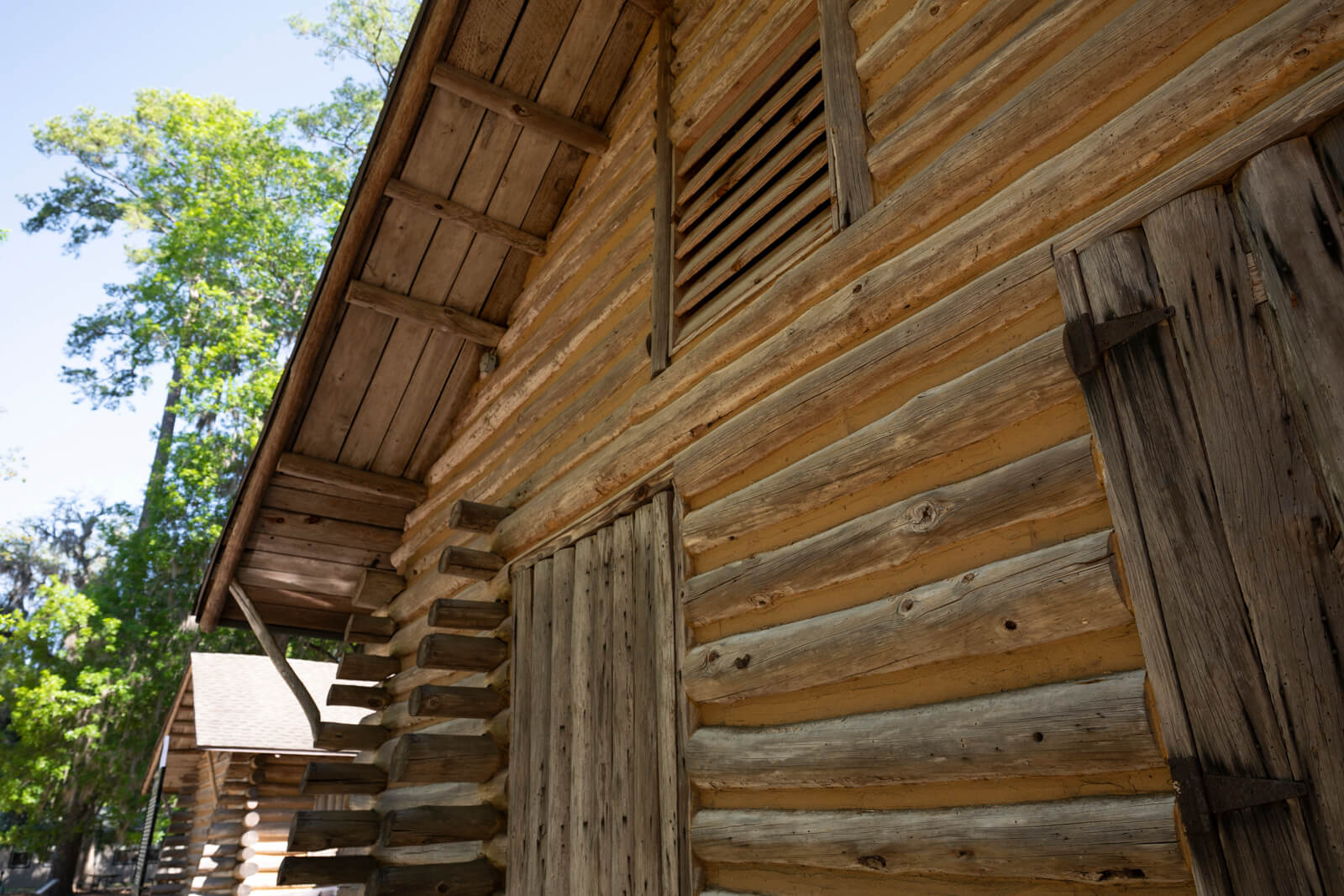
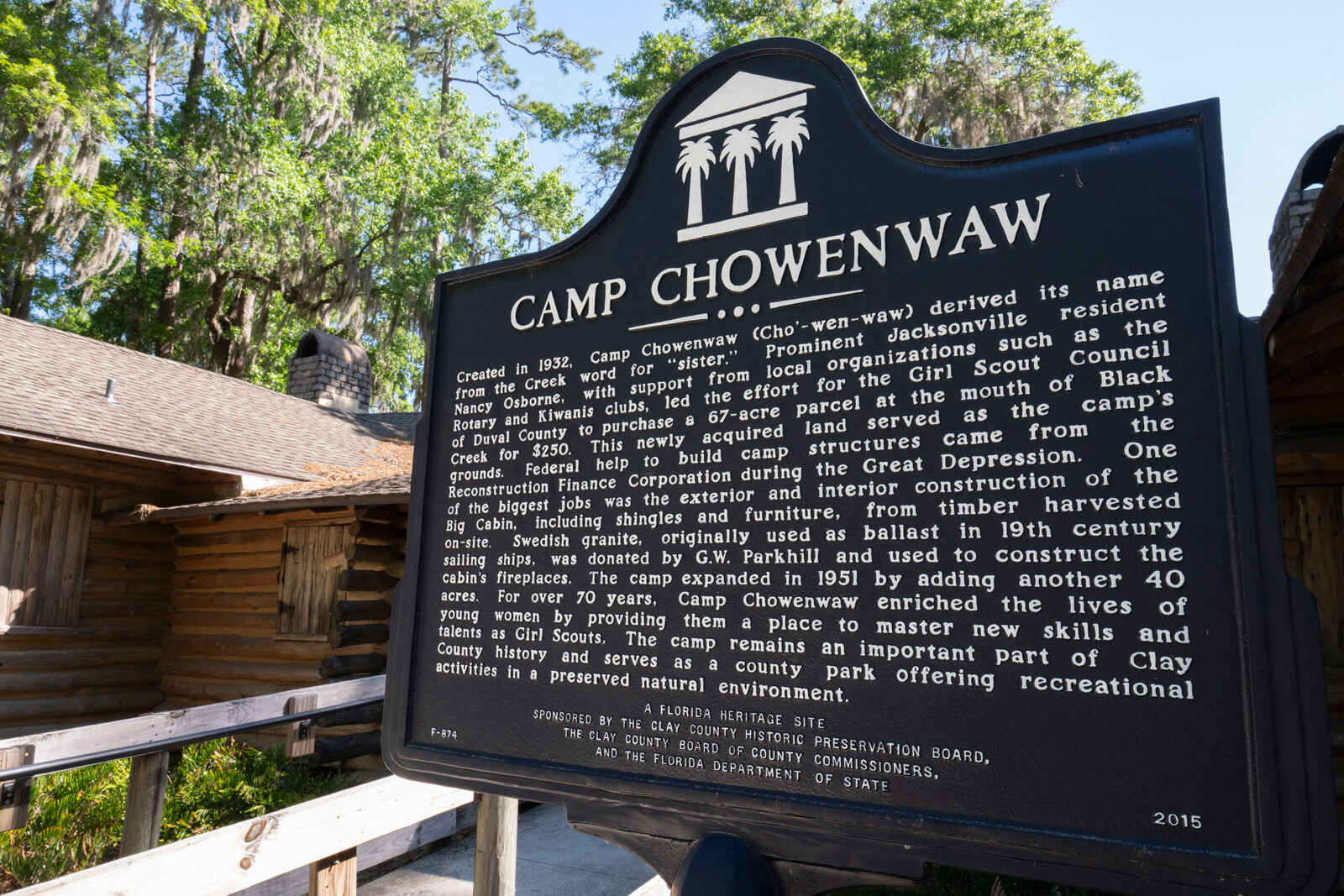
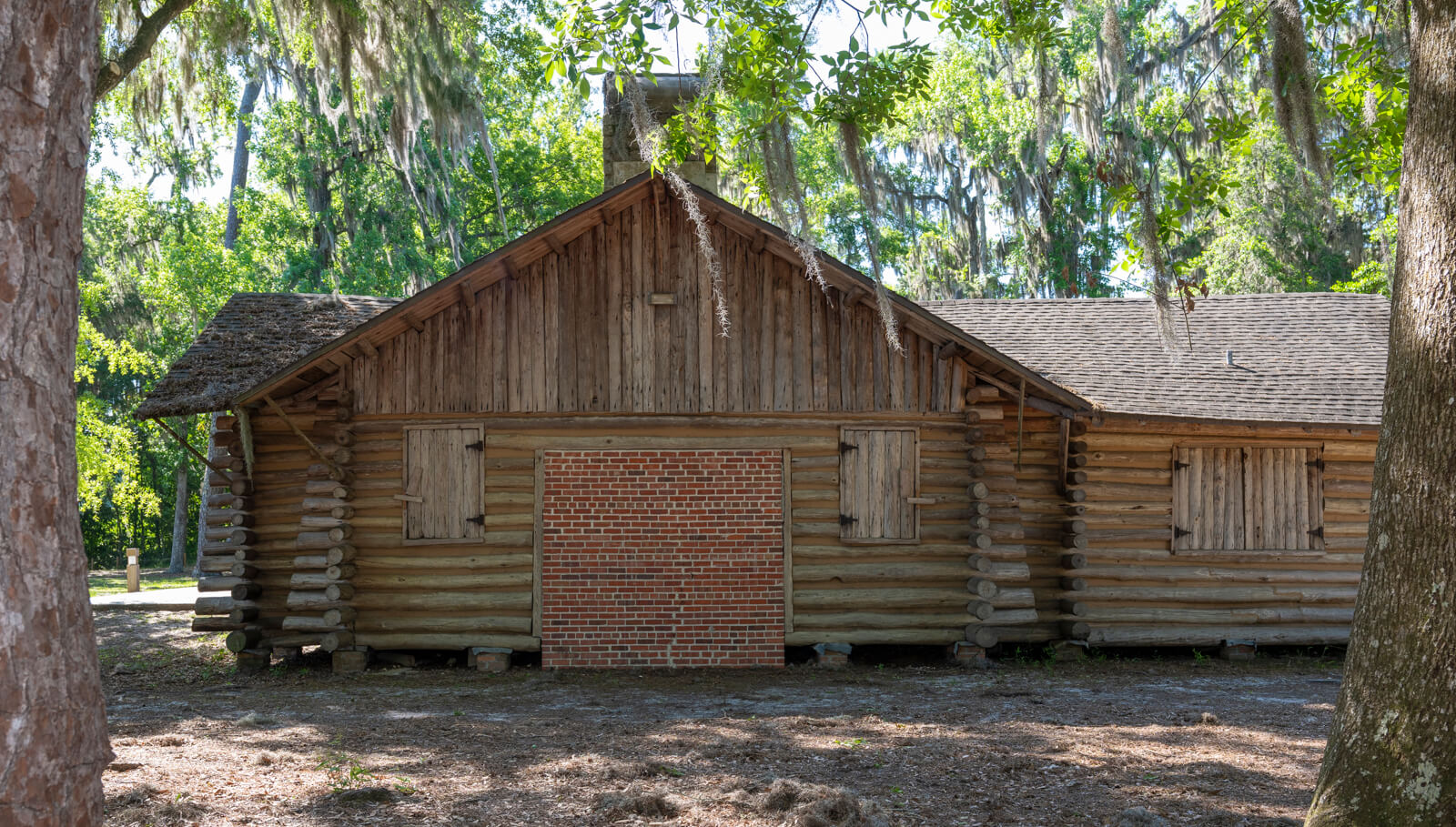
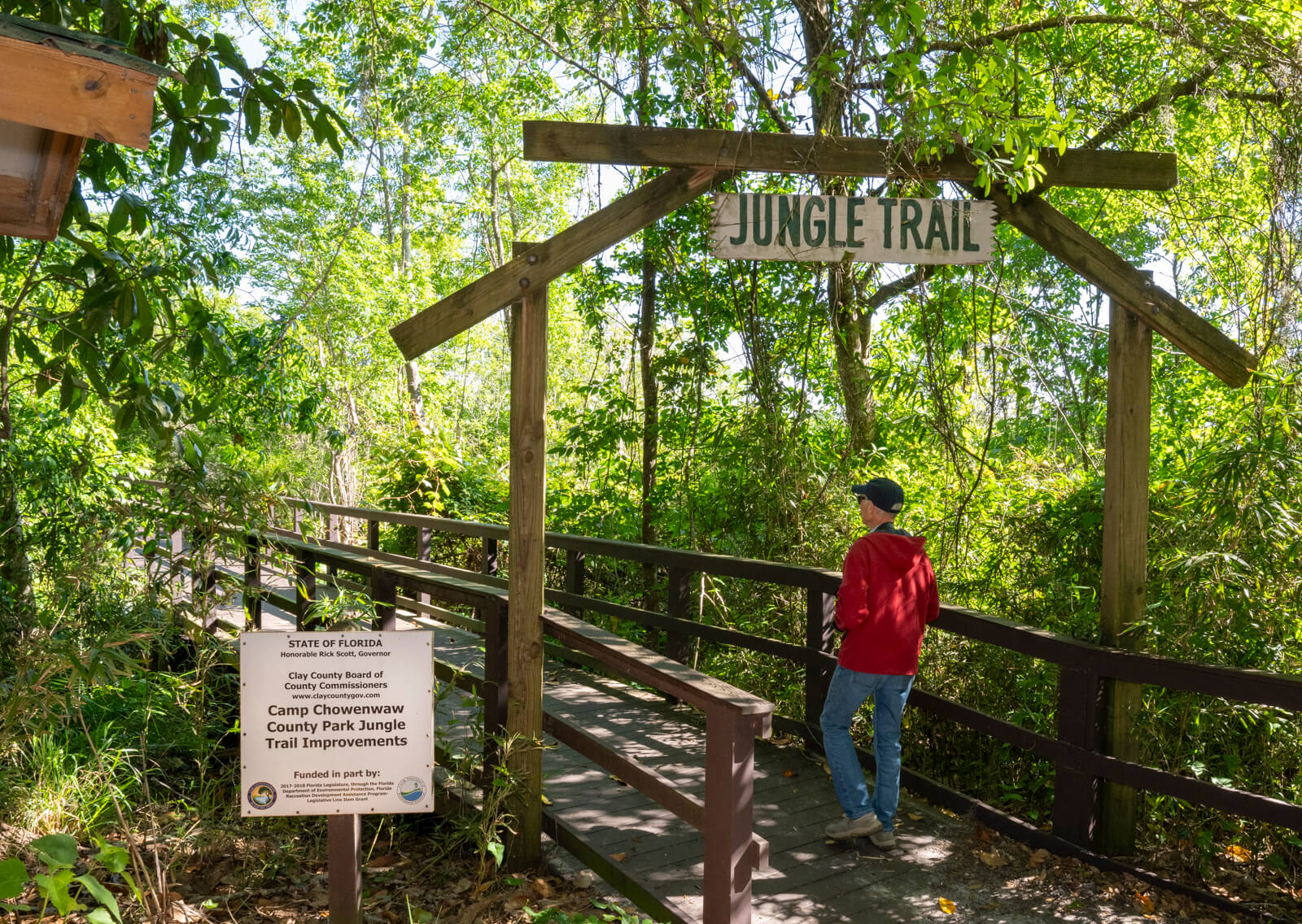
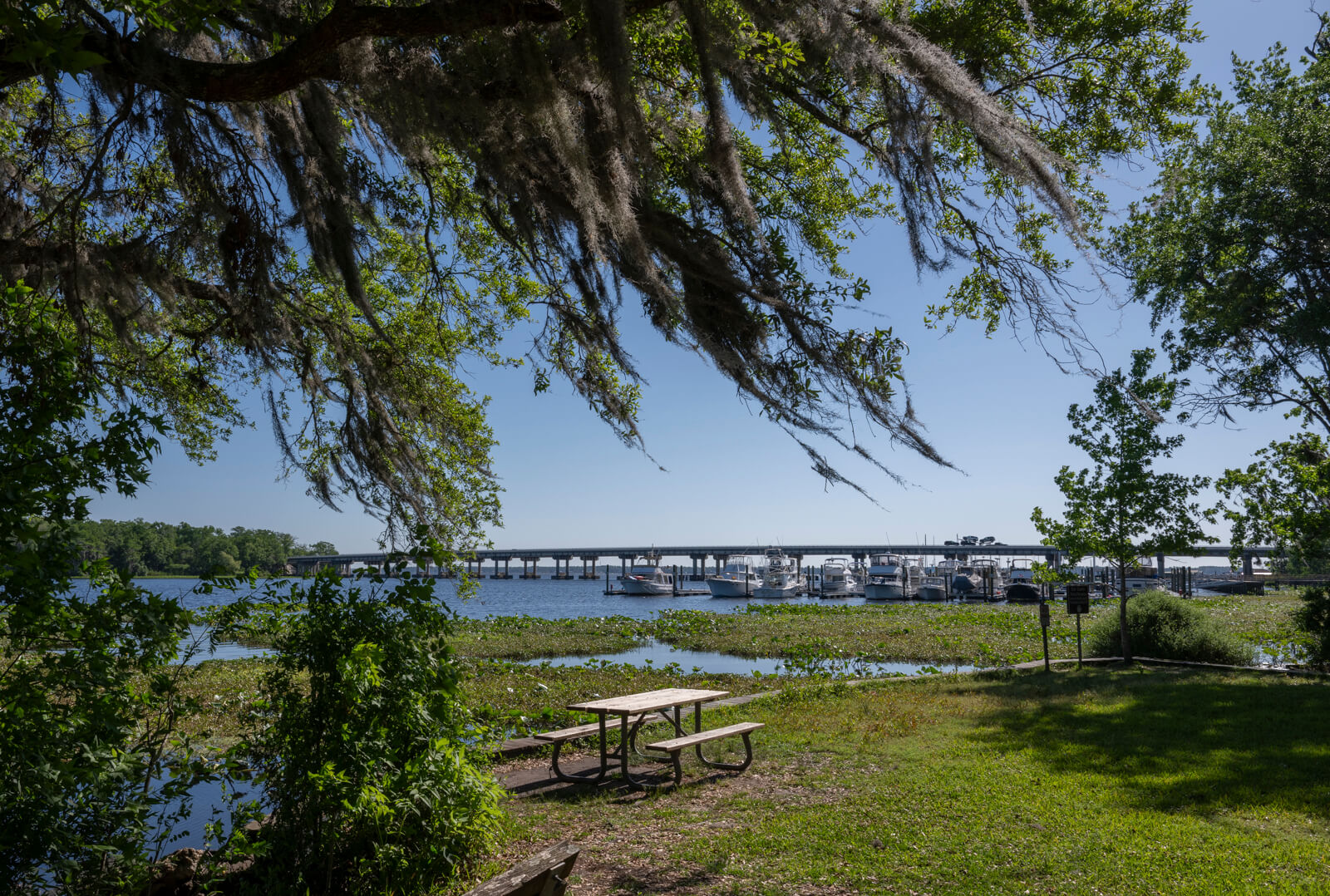
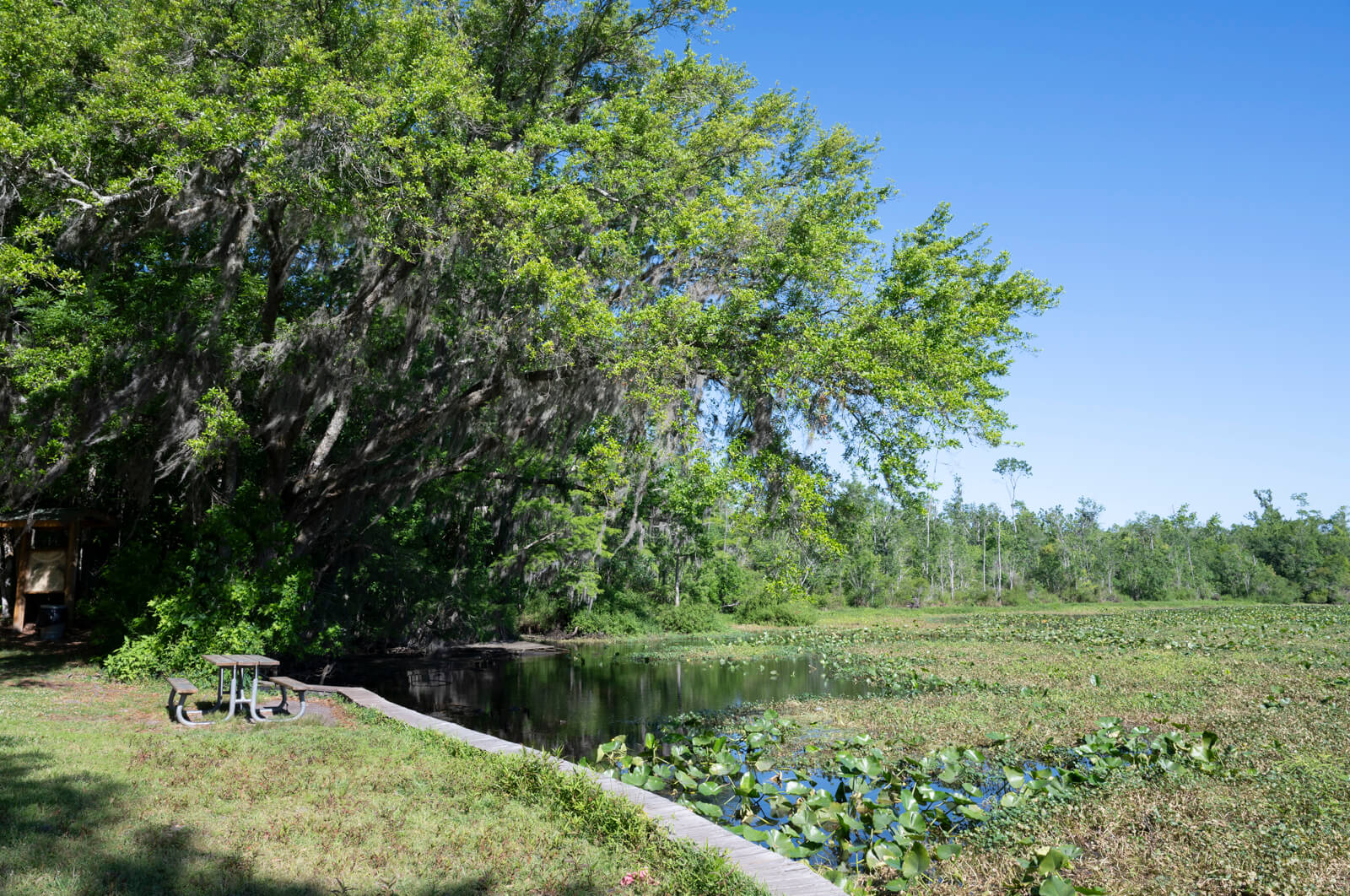
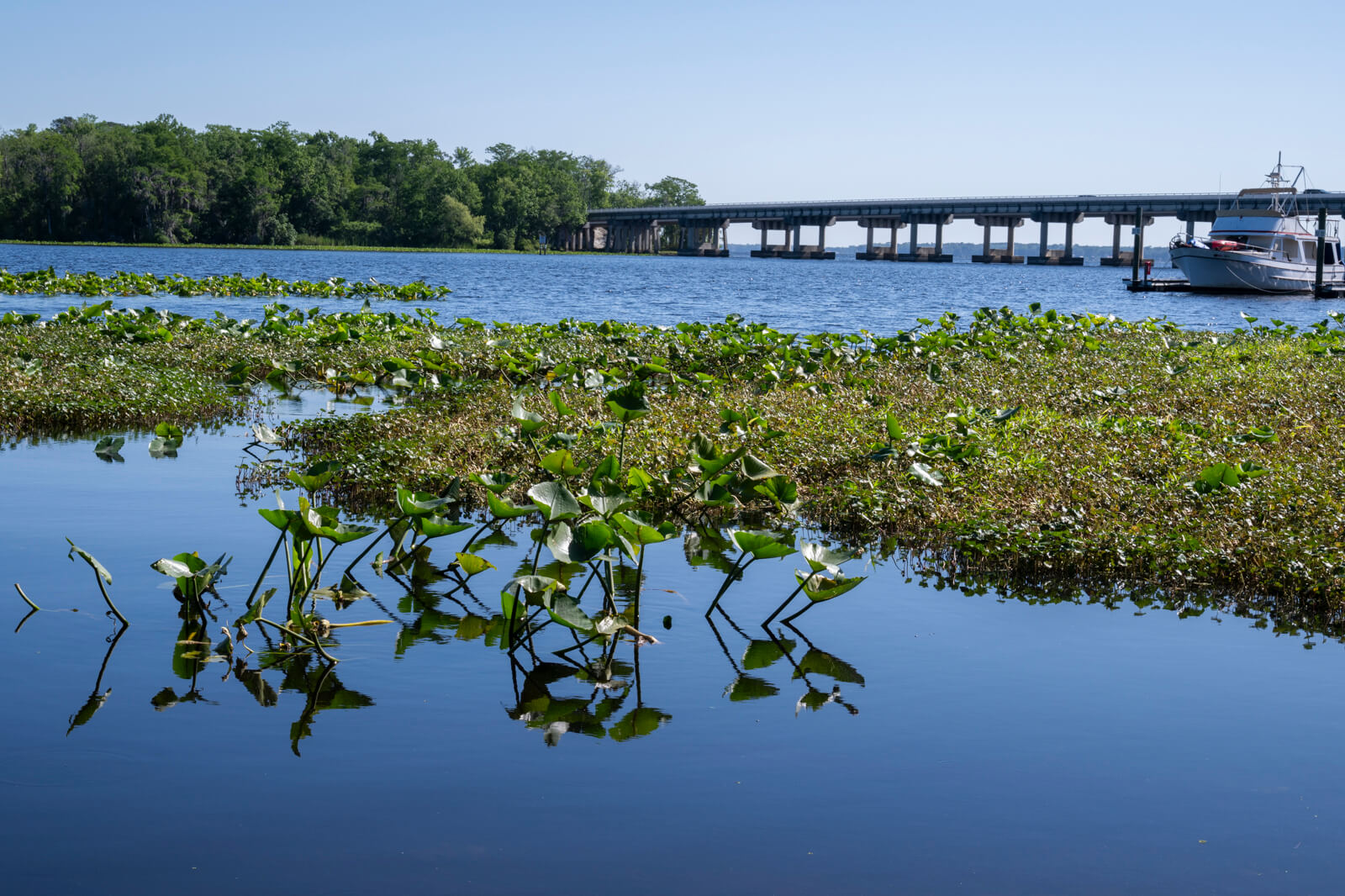
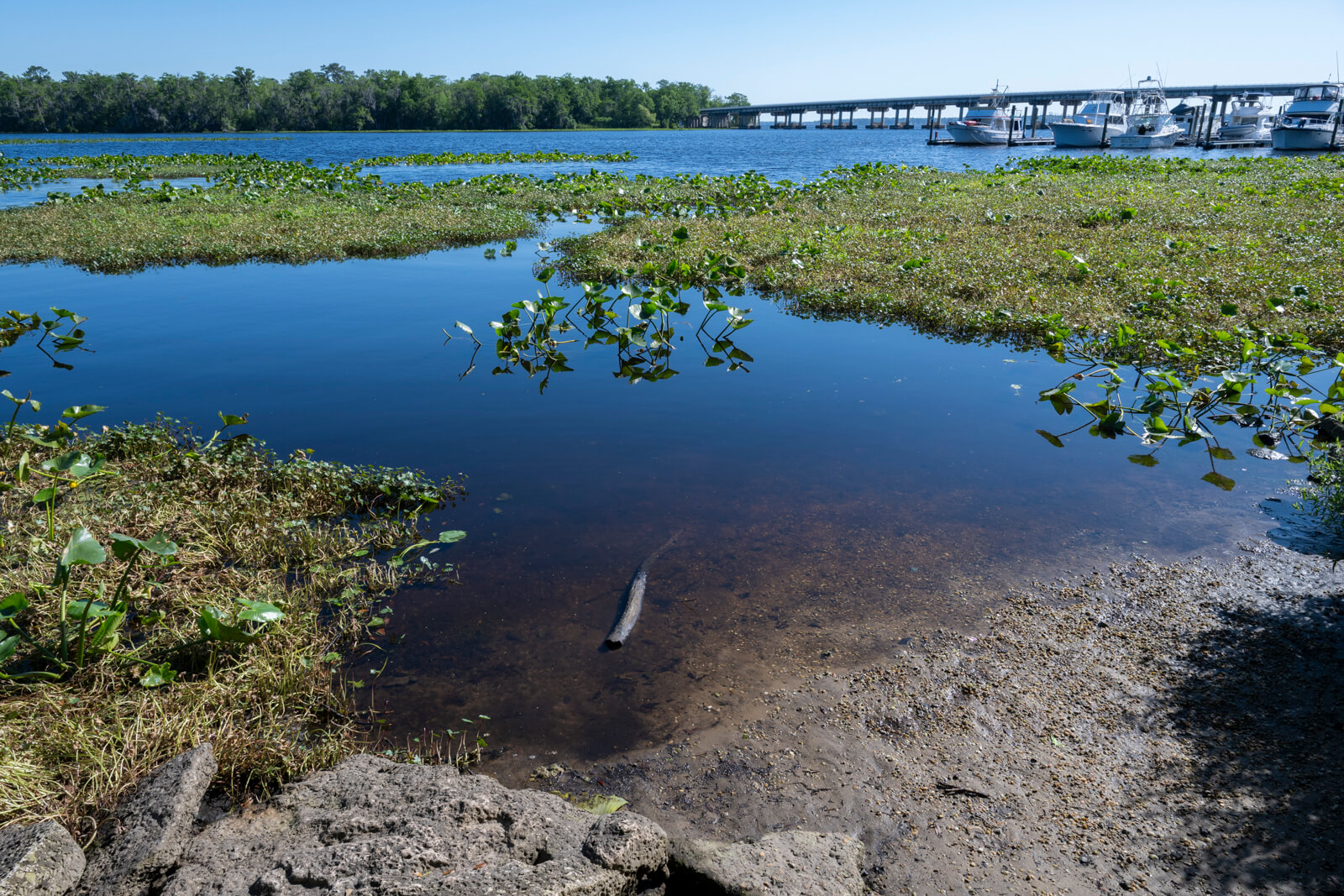
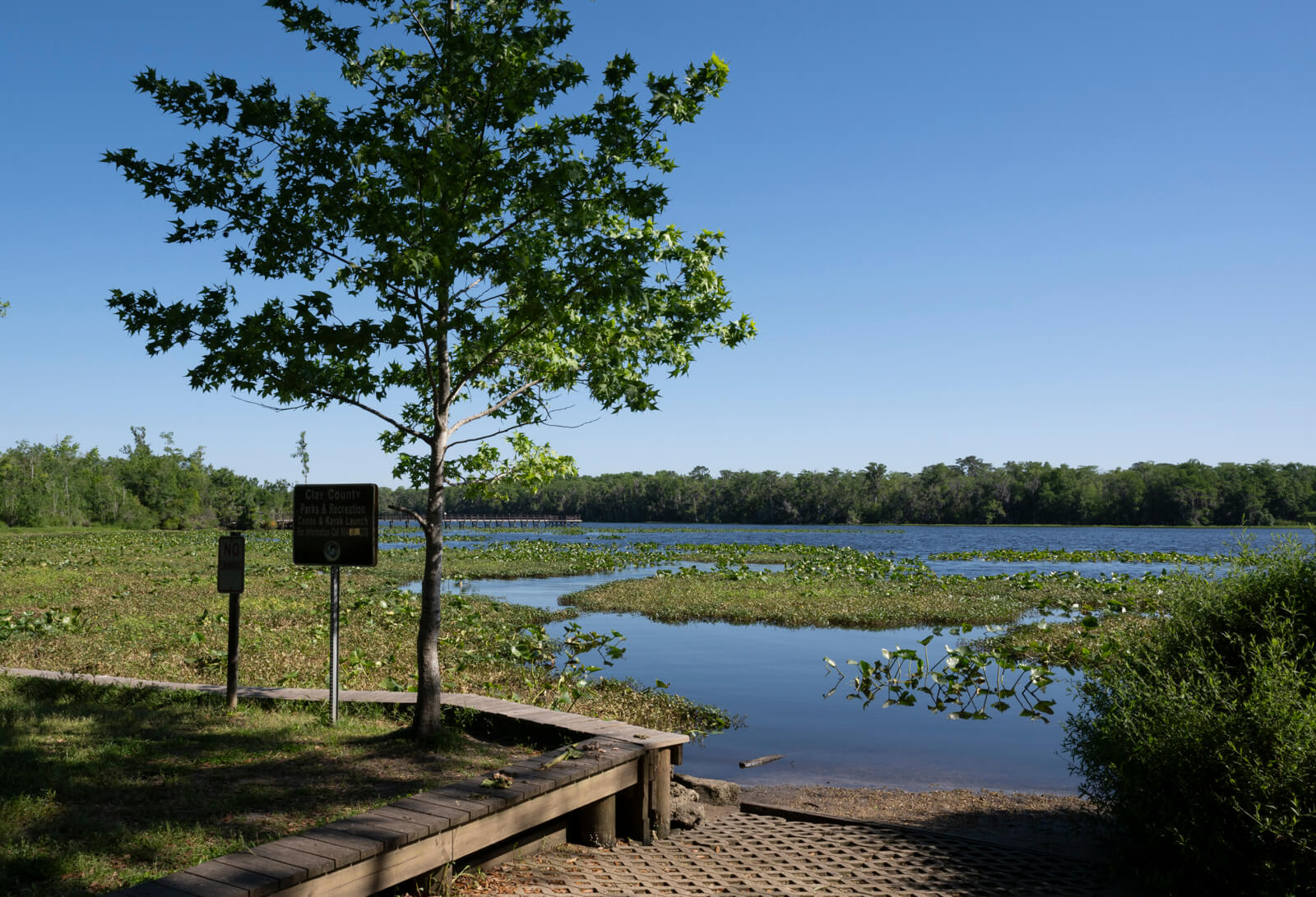
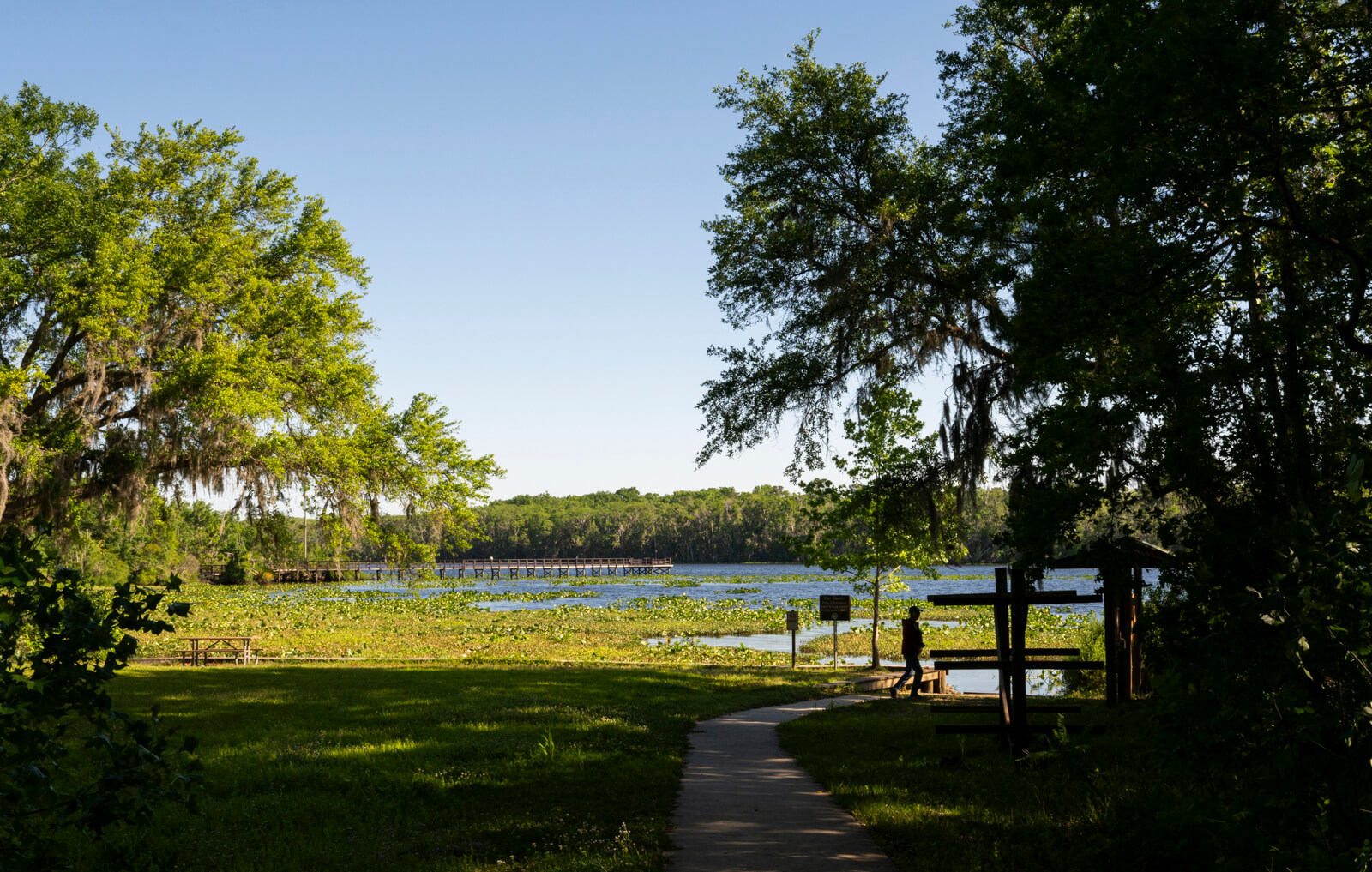
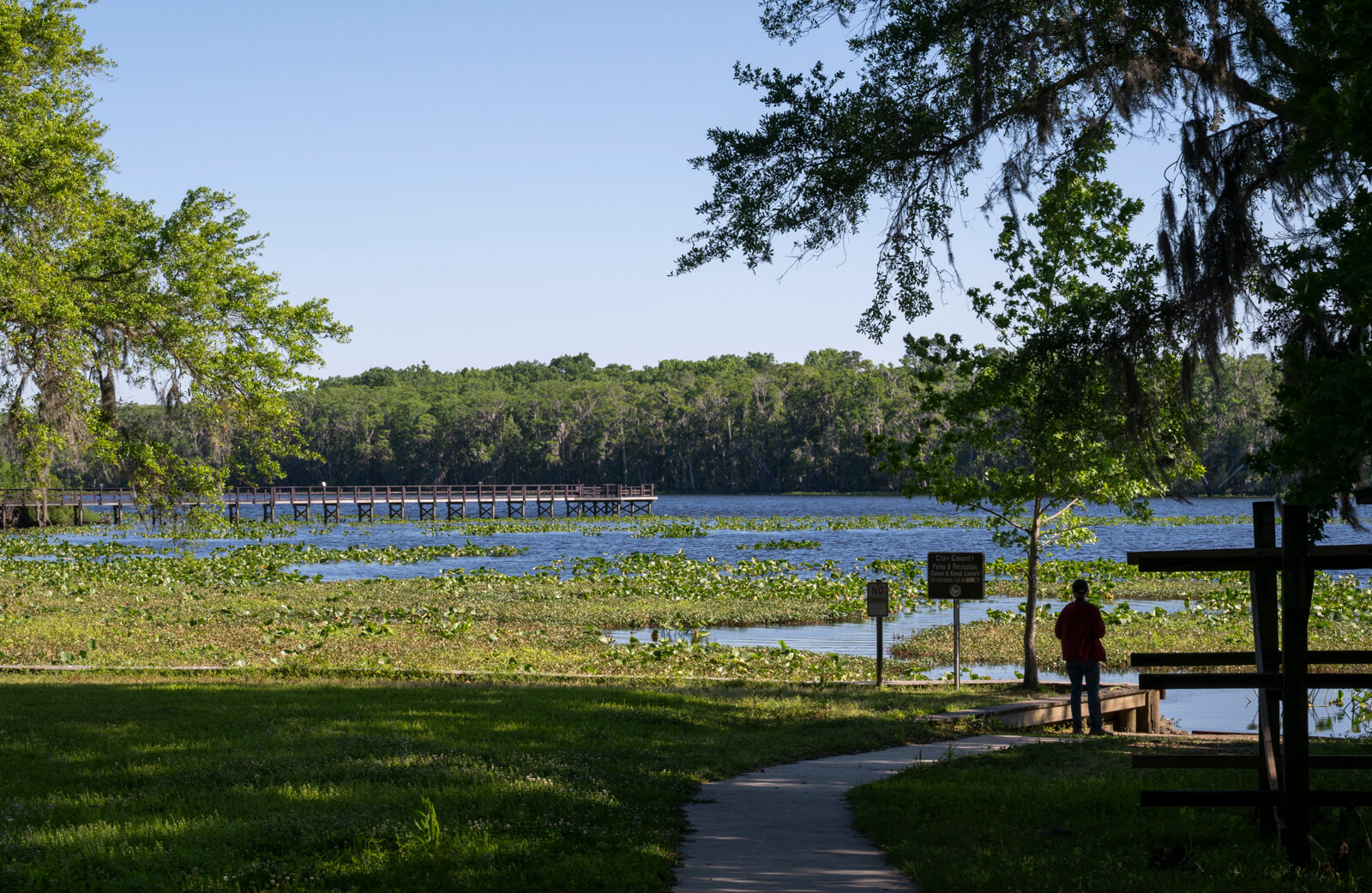
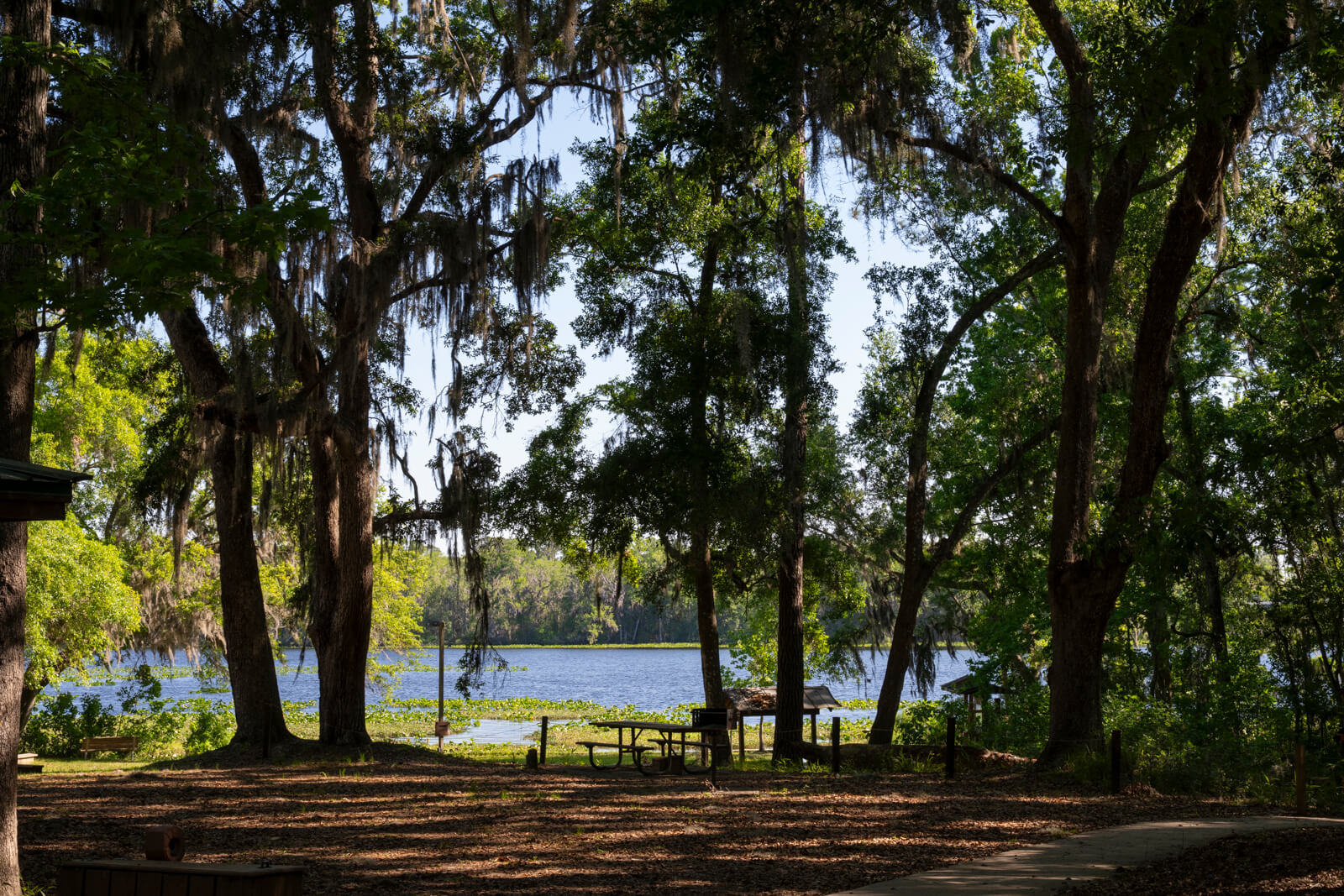
Camp Chowenwaw (Cho’-wen-waw), named after the Creek word for ‘sister,’ is nestled at the meeting point of Black Creek and the St. Johns River in Green Cove Springs. The park is steeped in history, dating back to the 18th century when it was part of a 20,000-acre indigo plantation owned by Governor Patrick Tonyn, the last British governor of East Florida. Naturalist William Bartram visited the area in 1774, documenting its unique landscape. Today, it stands as a 150-acre park blending rich historical significance with modern amenities.
Visitor Highlights:
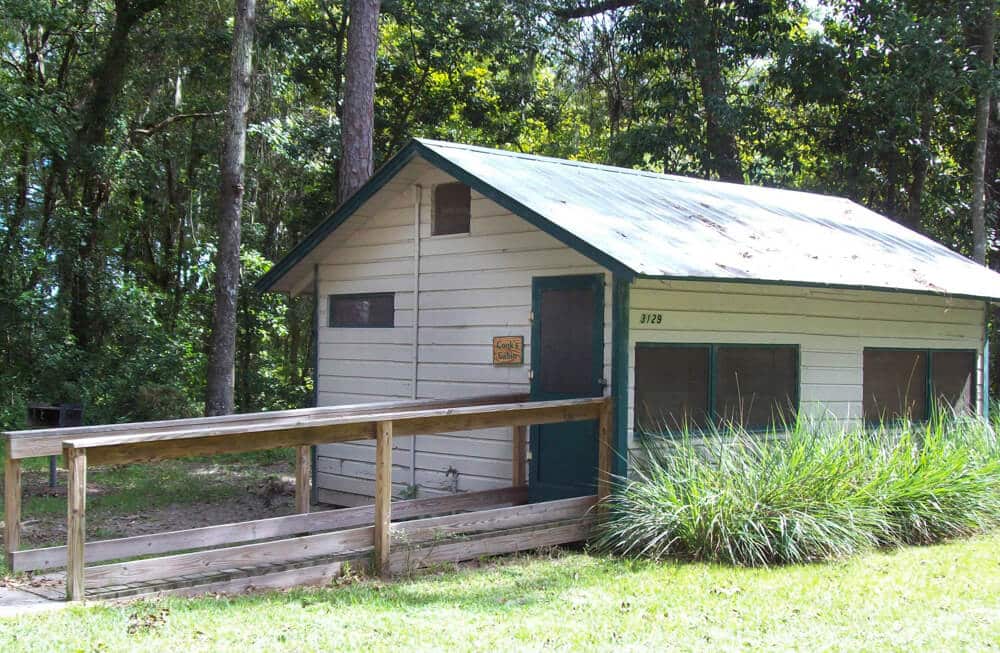
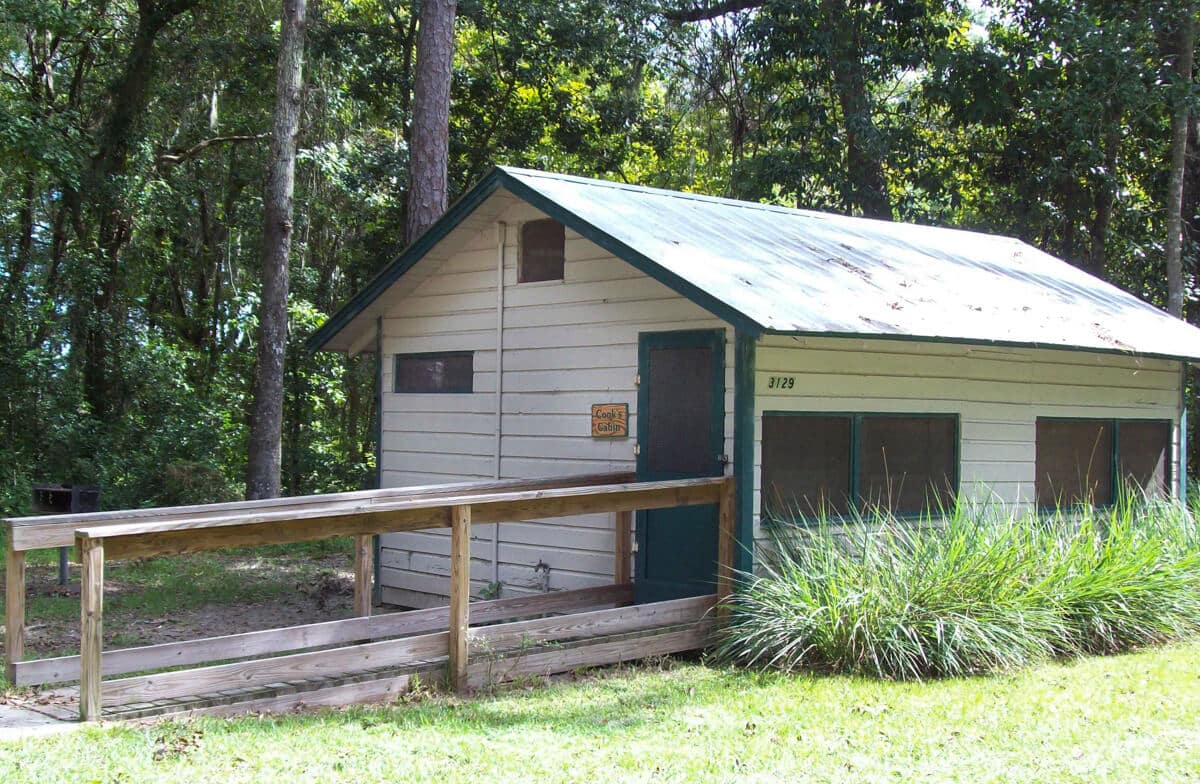
- Camping – Enjoy a peaceful camping experience under the pines. Reserve a cabin, tent site, or historic treehouse online!
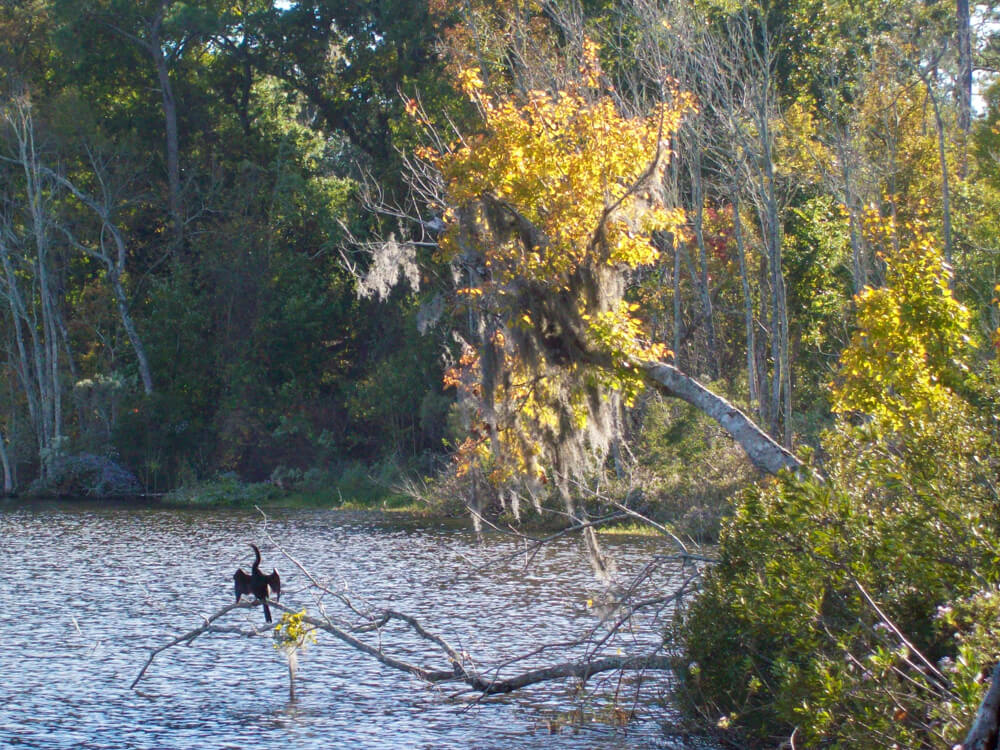
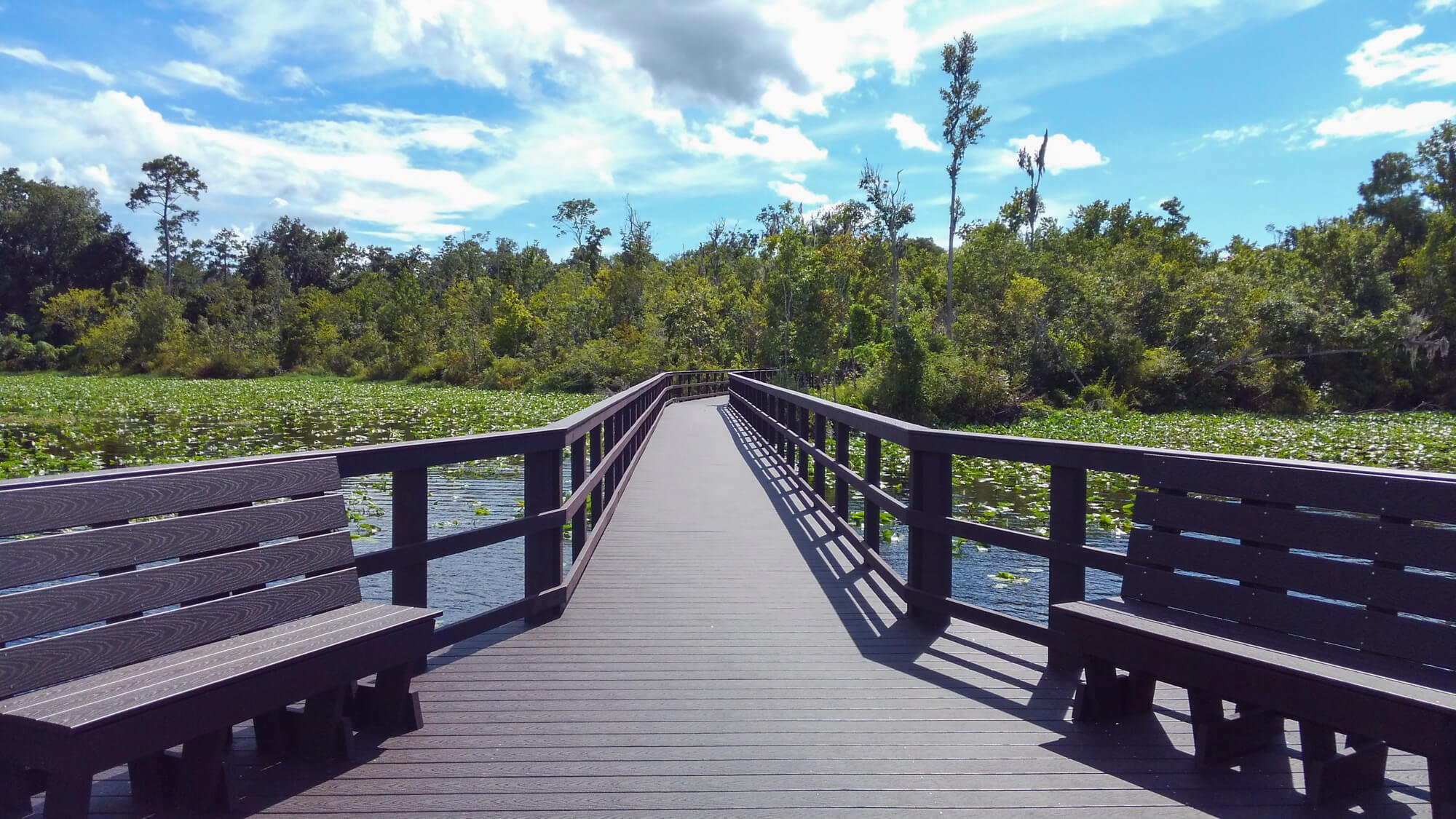
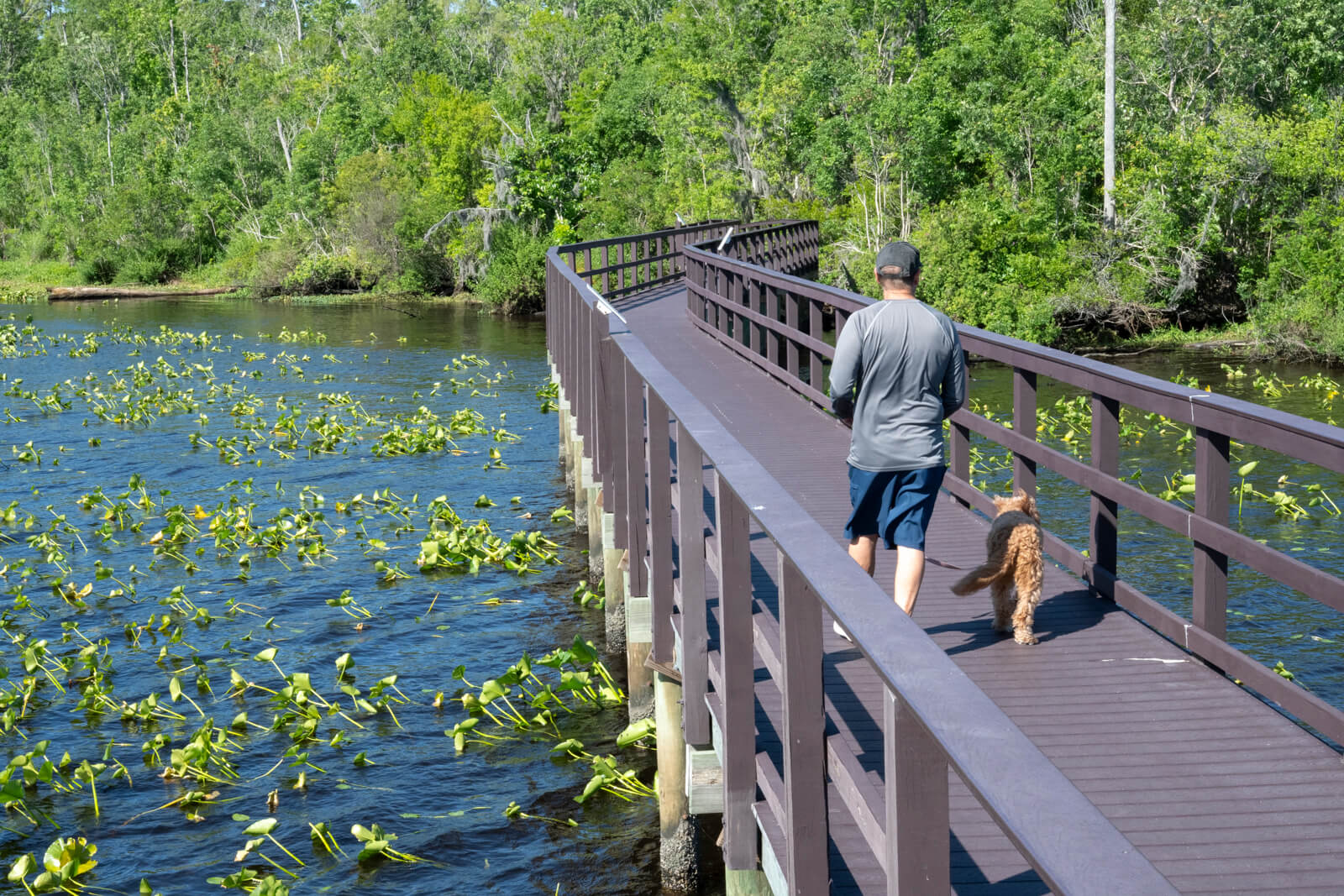
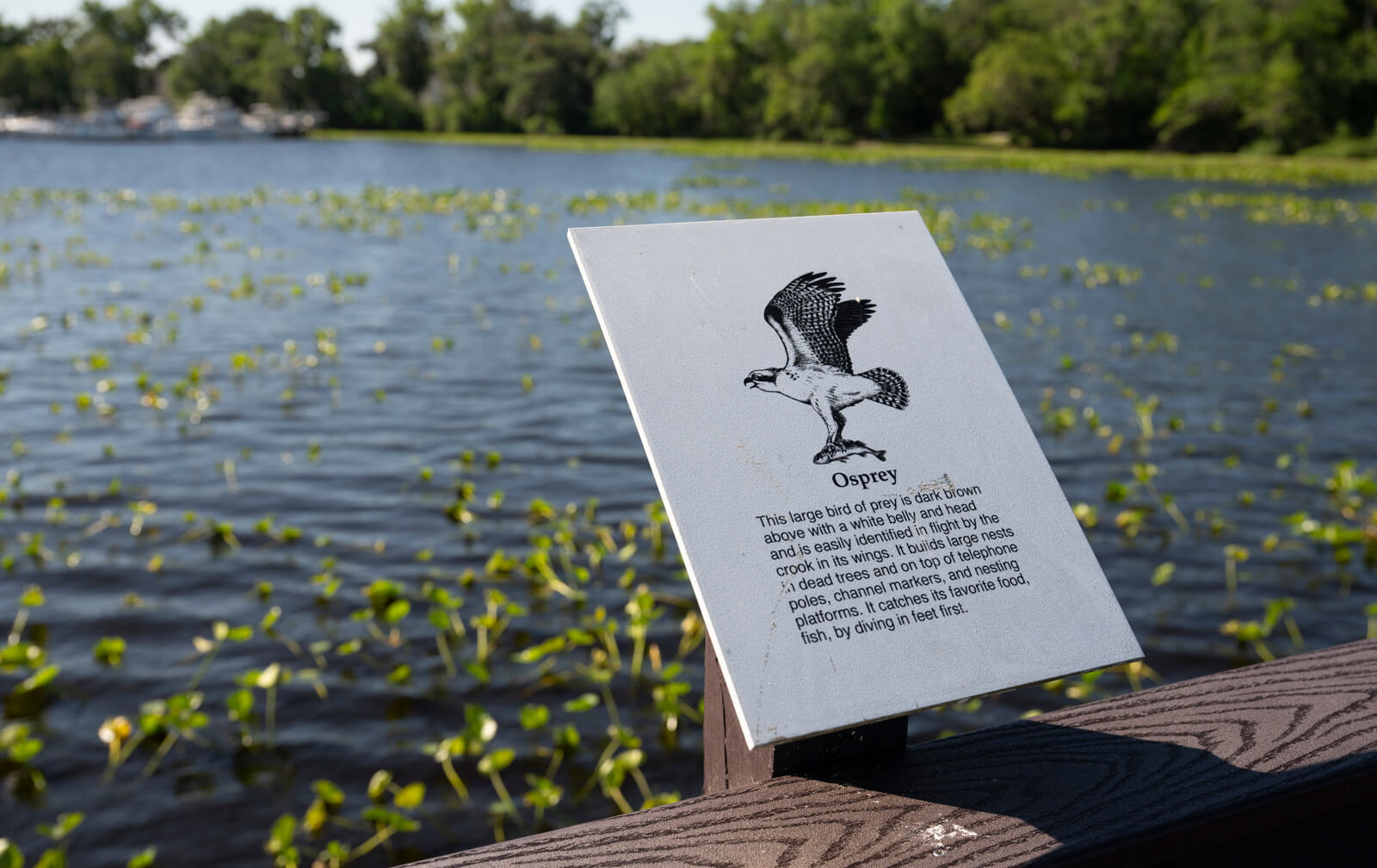
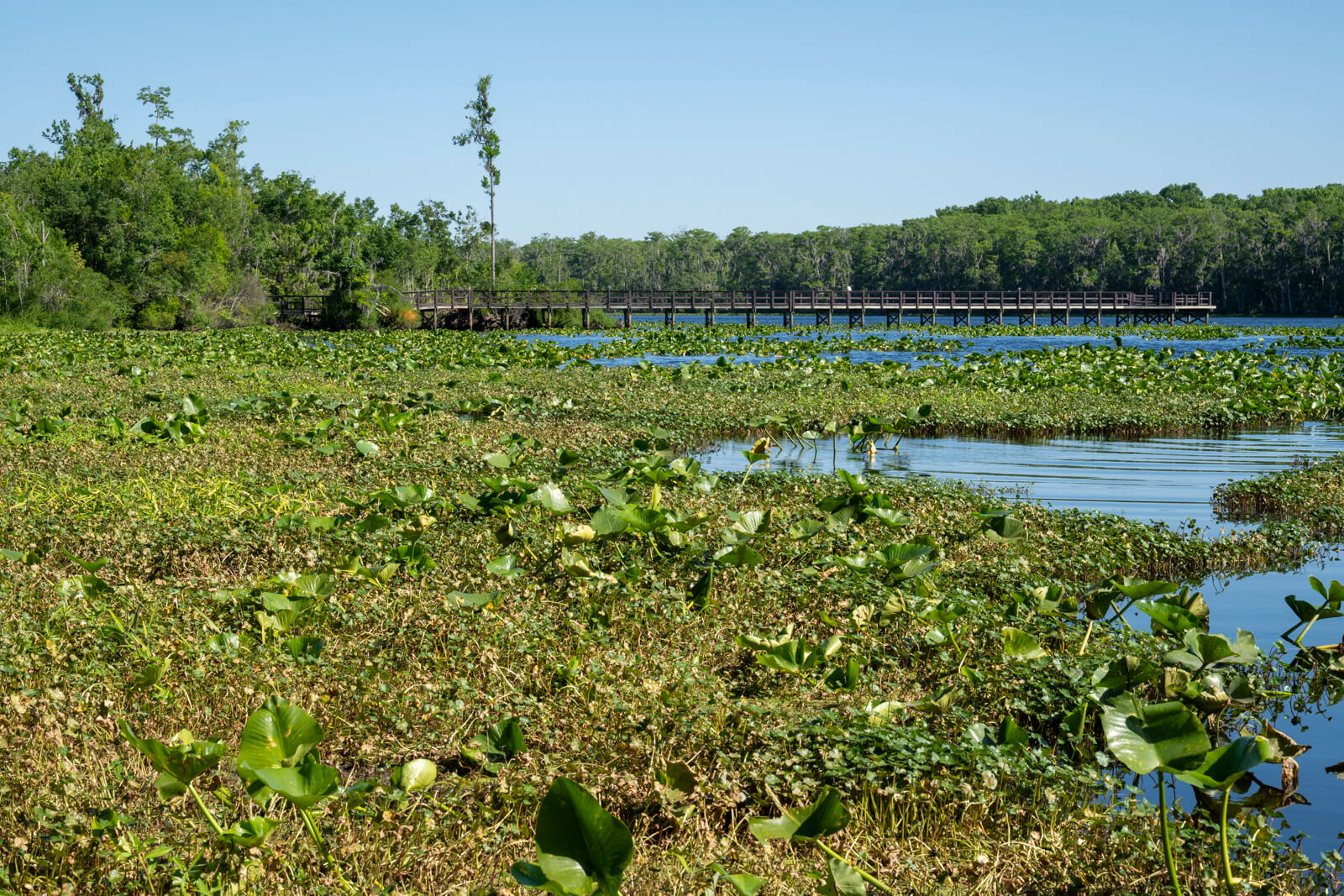
- Hiking trails – Over 1.5 miles of trails through bottomland forests, wetlands, and a mix of pine and hardwood habitats. 1400 feet of boardwalks provide a serene walk through diverse ecosystems, ideal for birdwatching and exploring nature.
- Fishing – Cast a line along Black Creek or explore Peter’s Creek, offering opportunities to catch local fish.
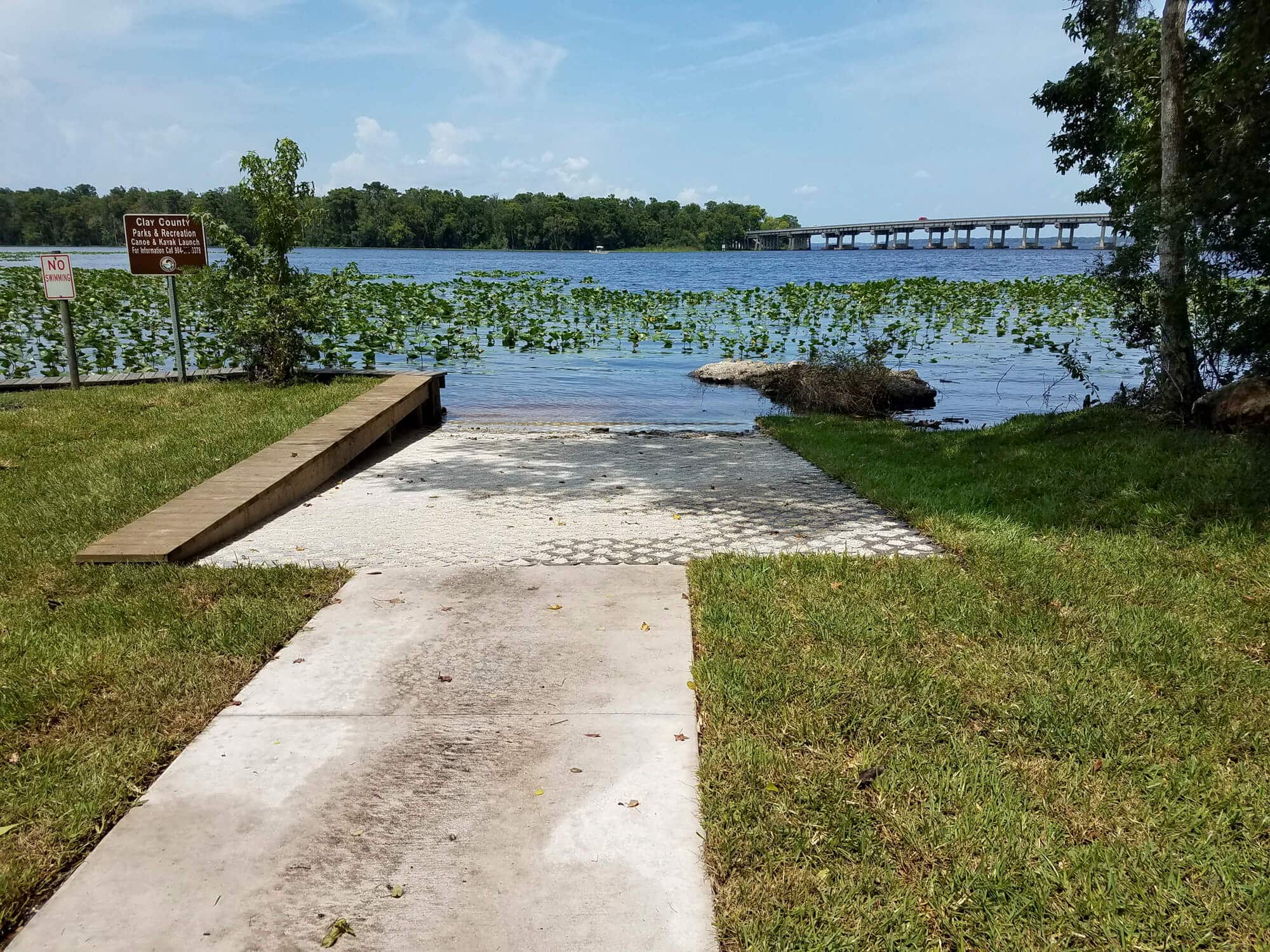
- Kayaking & Paddleboarding – Explore the waters of Black Creek and the St. Johns River via kayak or paddleboard, with a self-serve kiosk managed by PADL.
- Seasonal swimming pool – Enjoy a refreshing dip in the pool during the warmer months.
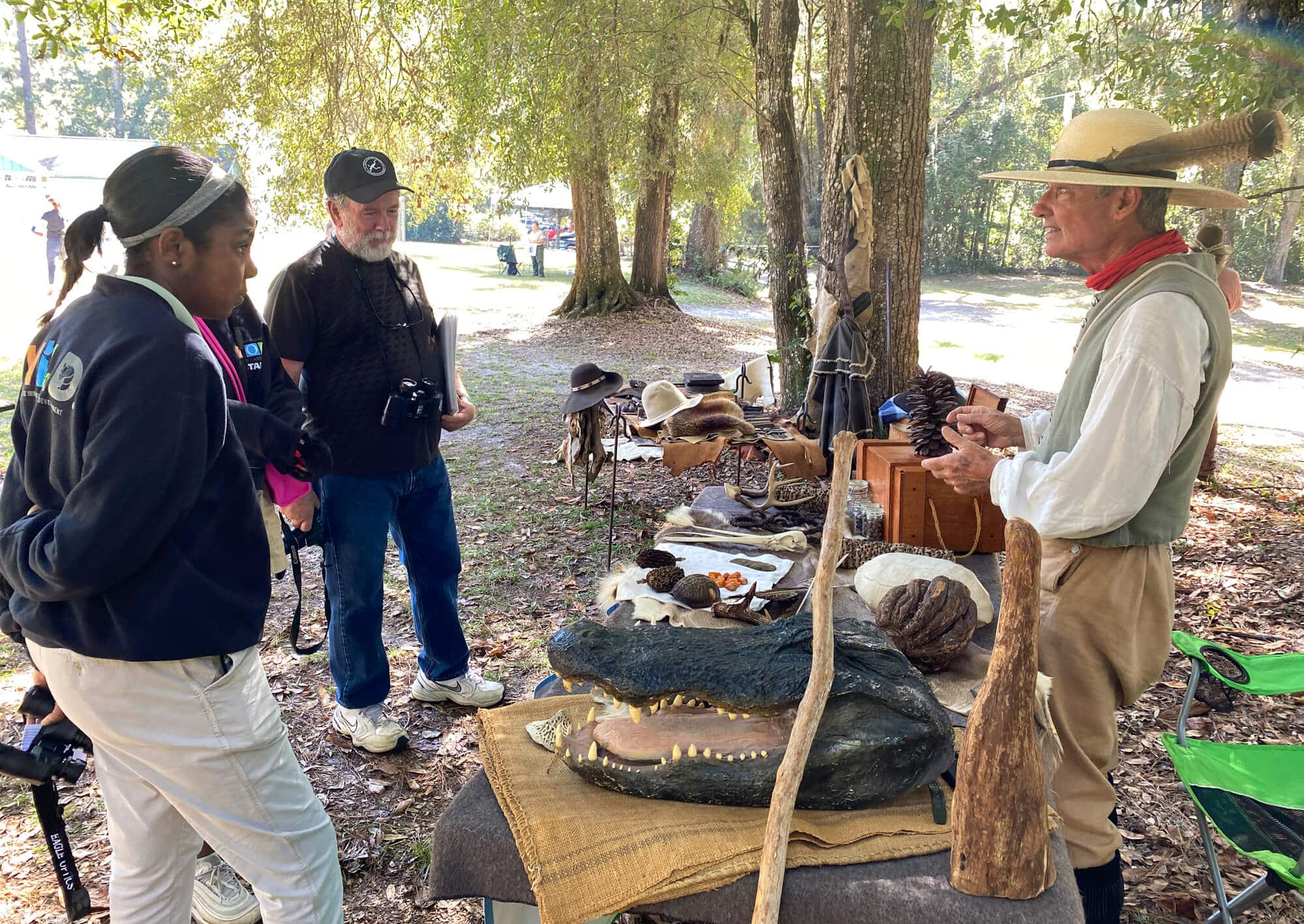
- Nature center & museum – Learn about Florida’s First Peoples and the history of the Northeast Florida Girl Scouts.
Parking Info:
- Spacious parking lot – Plenty of parking available, though weekends can get busy with local visitors.
- Weekends are popular – The park is a favorite among Clay County residents, so expect more foot traffic, especially during weekends.
Visitor Notes:
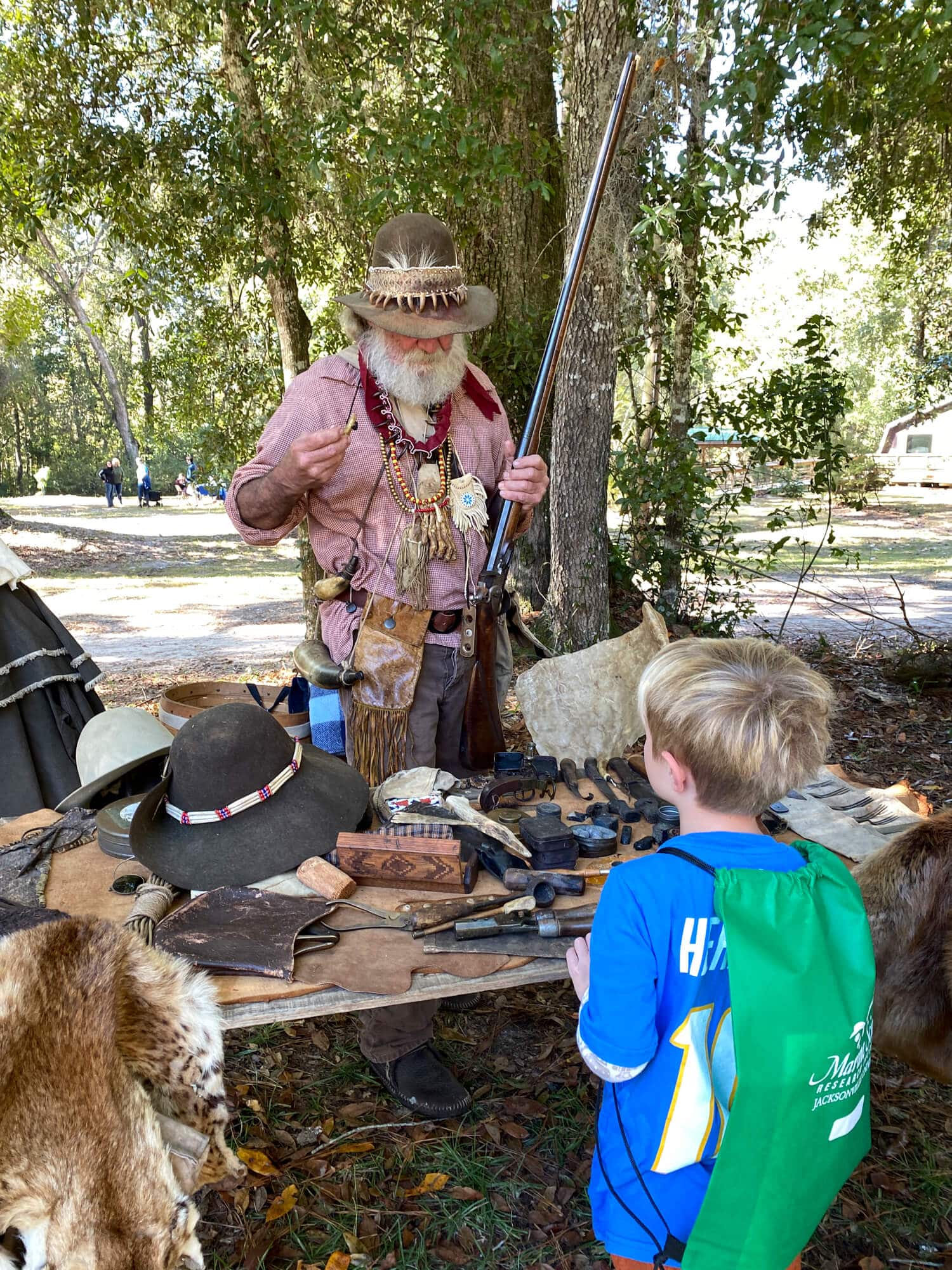
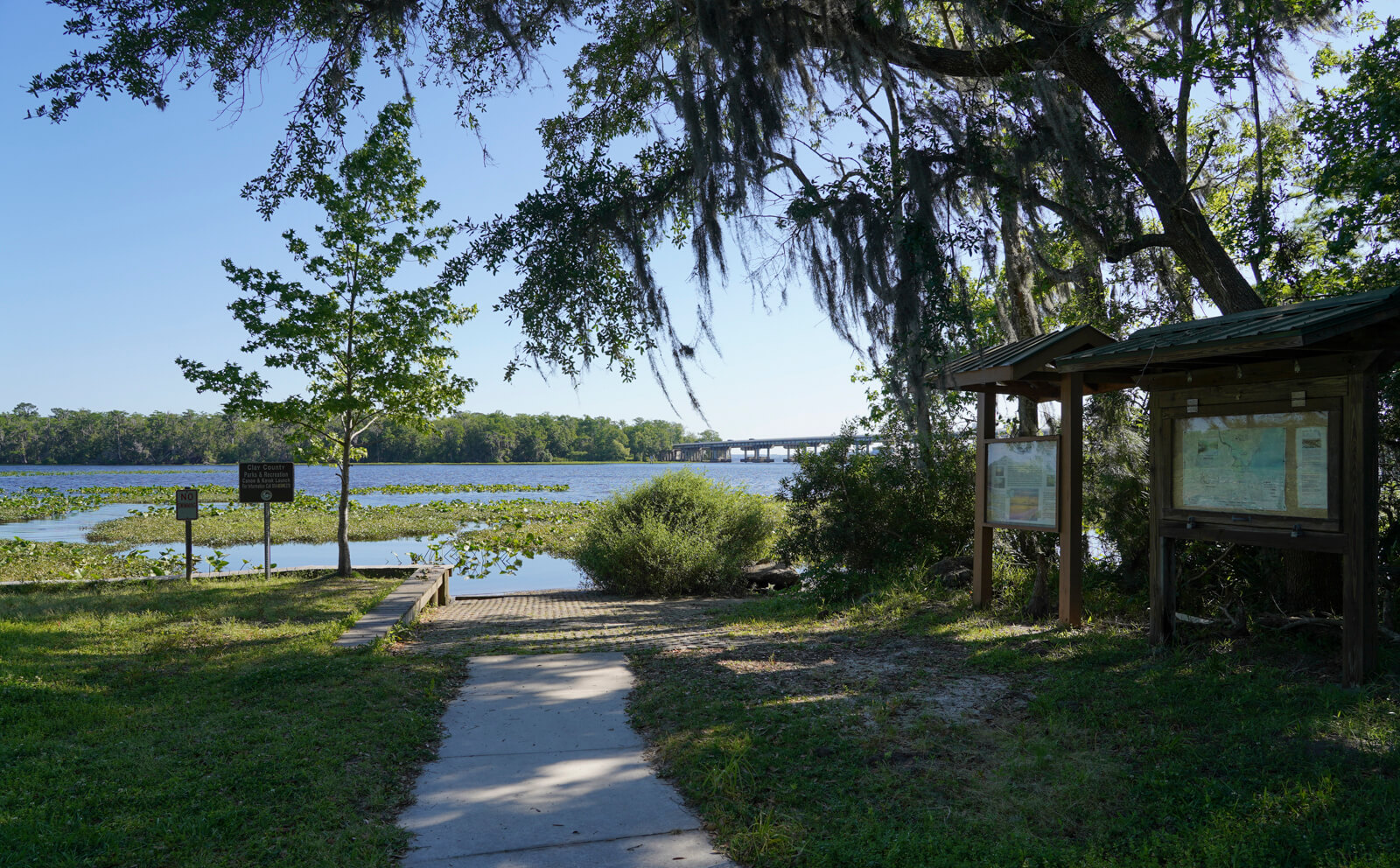
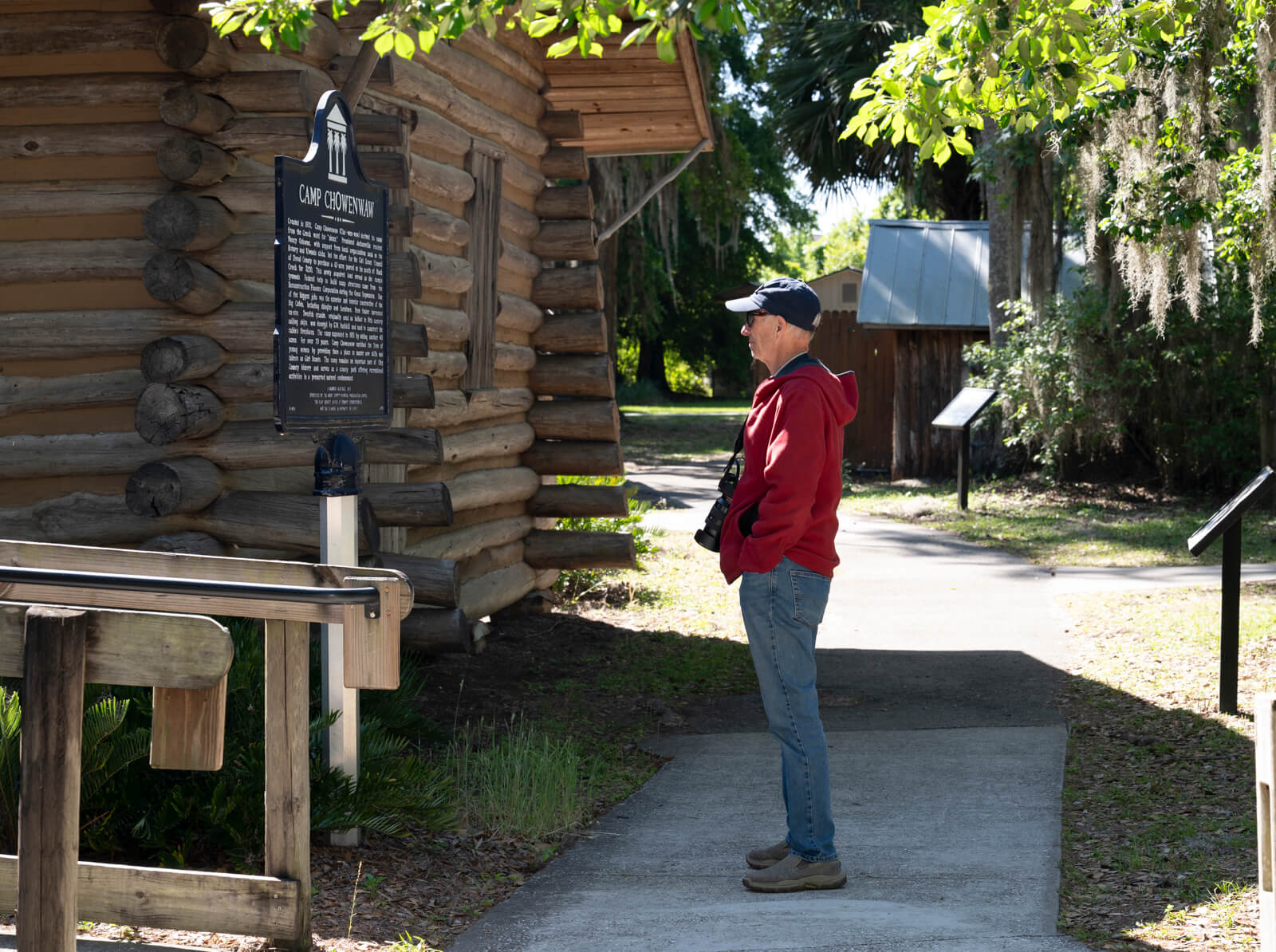
- Historical site – Be sure to explore the rich history of the area, including the historical markers and kiosks detailing William Bartram’s observations.
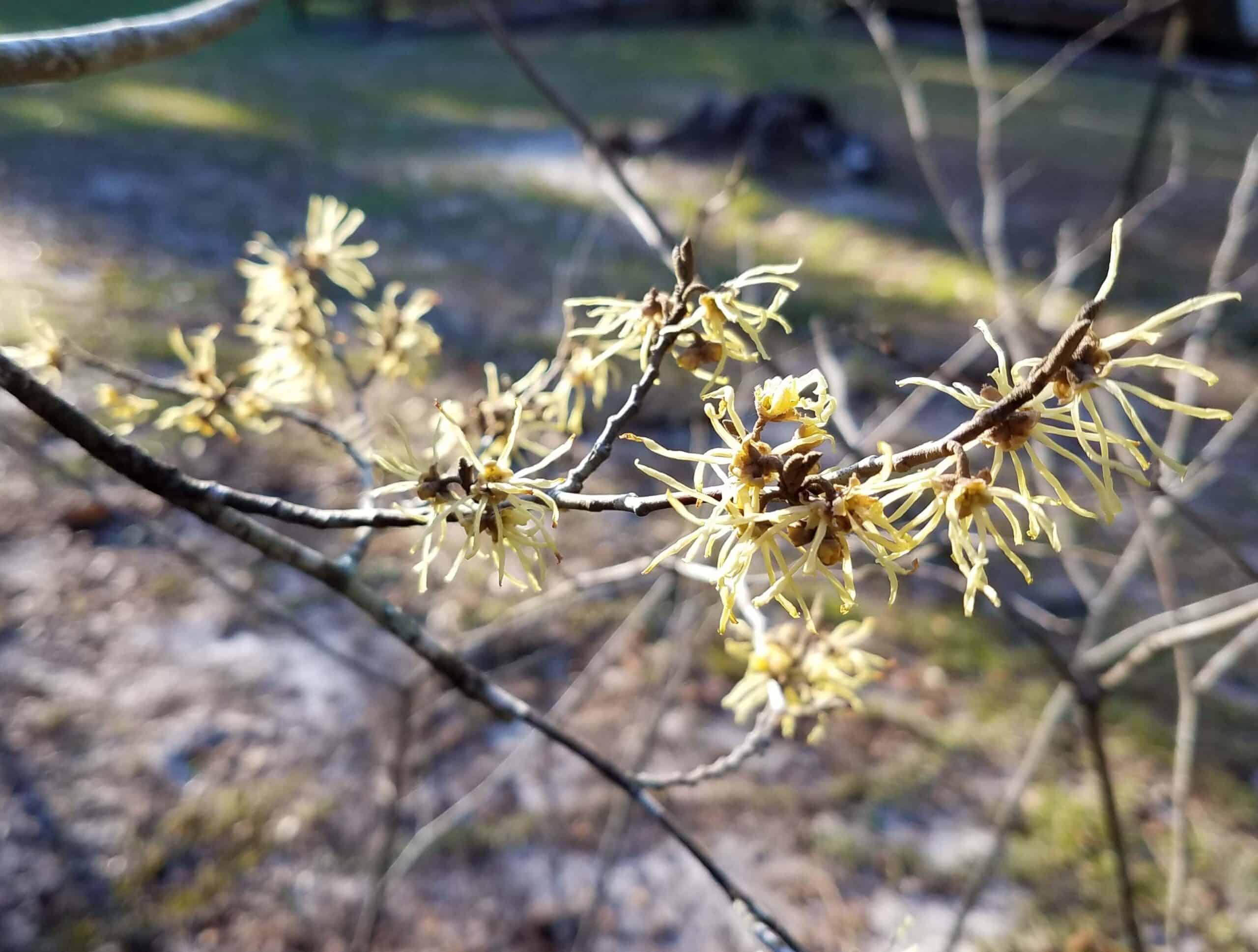
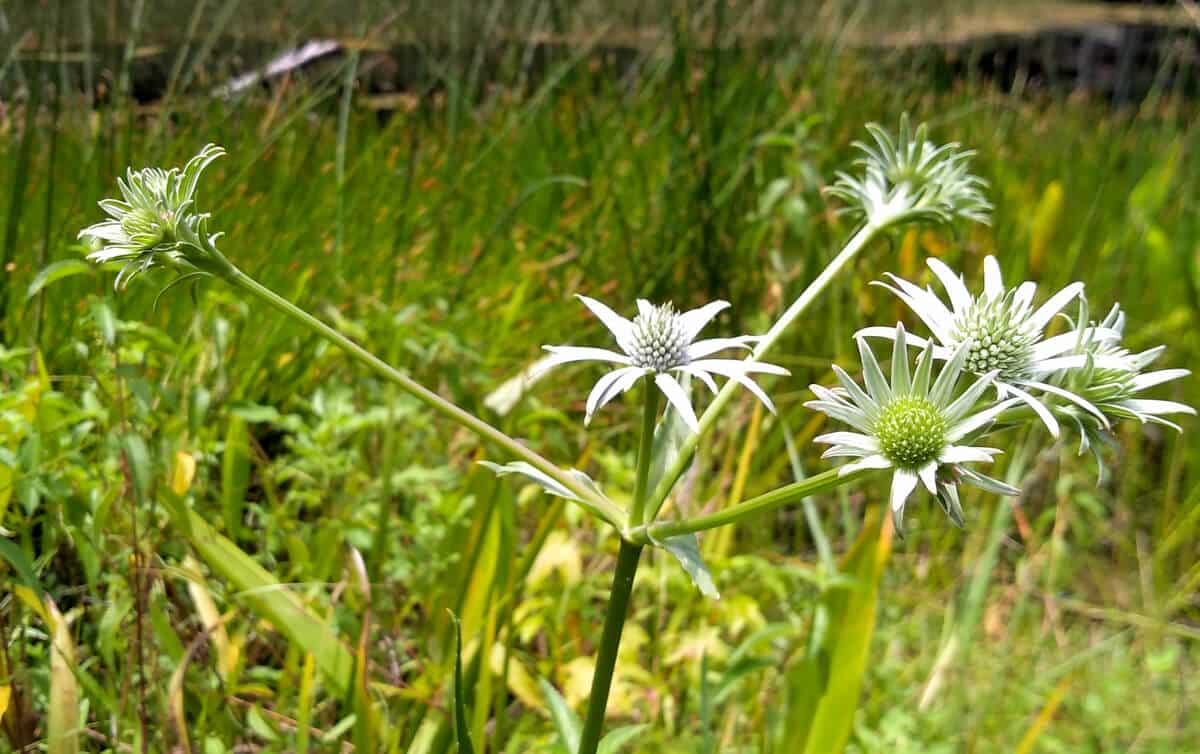
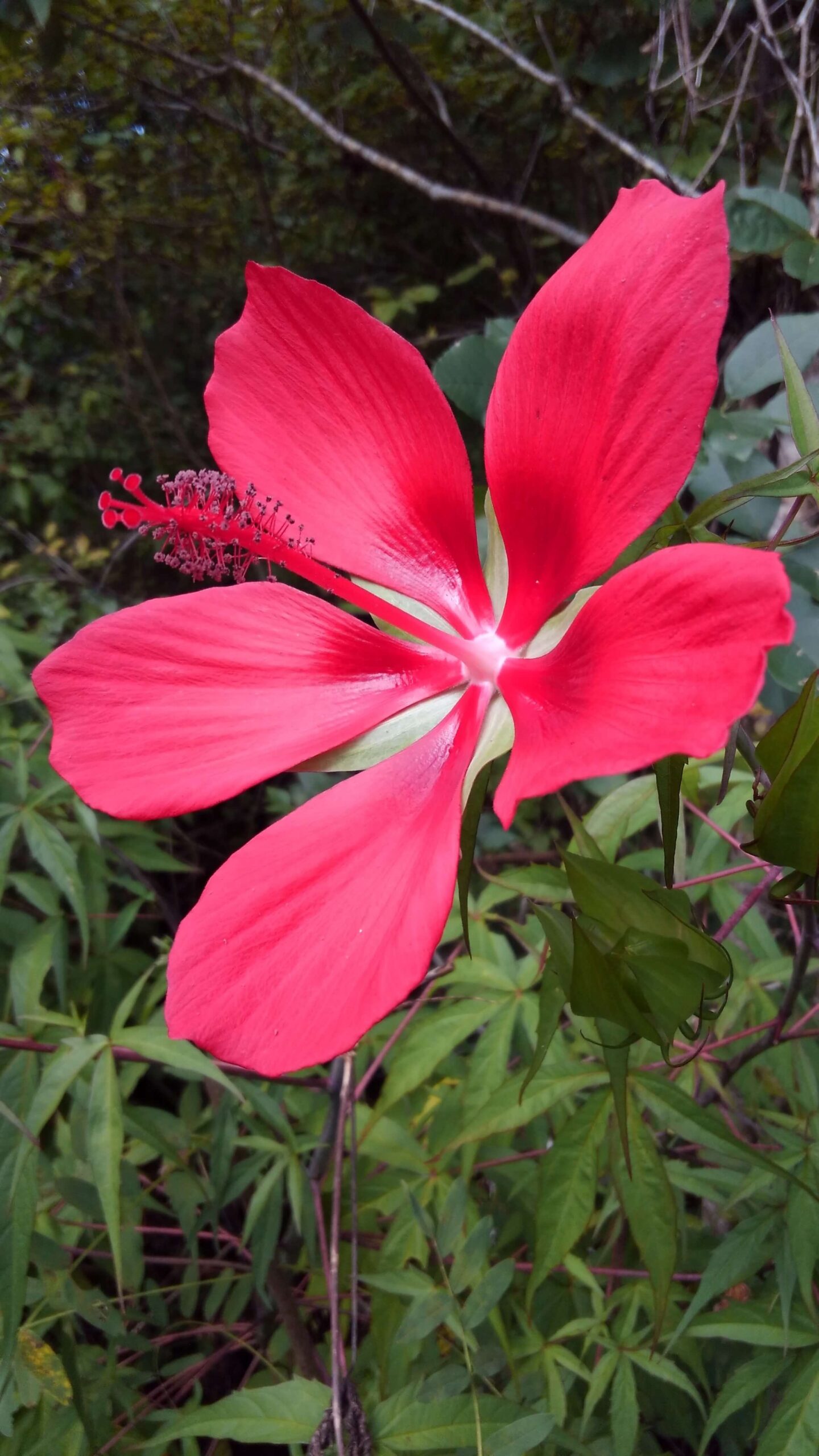
- Nature lovers’ paradise – With a variety of plant and animal species around, this park offers an immersive natural experience.
Camp Chowenwaw offers a rare mix of natural beauty, history, and recreational fun. It’s a perfect destination for those seeking a blend of outdoor adventure and peaceful relaxation, whether you’re camping, hiking, or simply soaking in the beauty of the surroundings.
Report to Dr. John Fothergill
“Hearing at the store of some letters for me being sent by the care of his Honour the Lieutenant Governor Moultry to a plantation on the river about forty miles down, I immediately took passage in a boat then going down the river. In two days got to the place, calling at a plantation on the west side of the river belonging to Governor Tonyn; here I was showed some samples of the best Flora Indigo I had yet seen, there were twenty hands employed on this plantation who made about twelve hundred w’ of Indigo the last year and had now planted this year’s crop, having received the letters which were from Dr. Fothergill, London, by the way of Charlestown. These letters gave me great satisfaction, acquainting me of the safe arrival of some specimens of plants of the natural productions of Georgia among which were near fifty new plants. Having got my letters I returned up the river to the store again, intending soon to make a tour up this river towards its source, intending to employ my time this way on natural discoveries until a party of traders were ready to set off for Little St. Juane River that runs into the Bay of Apalache.”
– William Bartram
Colonel Patrick Tonyn
Travels – Report to Fothergill on University of Florida Site:
https://digitalcommons.usf.edu/early_visions_bucket/33/
Visitor Services
https://www.claycountygov.com/community/parks-and-recreation/camp-chowenwaw-park